
Ceramic Service Life: Wear Patterns, Gold Fading and the Replacement Budget Math
The Service Life Is a Number the Buyer Should Know
Every commercial ceramic range has a service life - the seasons it survives before the wear, the fading and the chipping force the replacement - and the smart buyer knows the number before the first order, not after the third broken season (see our banquet-guide for the reserve practice, and our commercial-china guide for the durability side). The service life is decided by three variables: the piece itself (the body thickness, the edge design, the glaze hardness), the use it meets (the plating speed, the stacking, the dishwasher cycles) and the decoration it carries (the gold band, the decal, the rim color). This guide reads the life cycle through the operator's numbers: the wear patterns that end the service, the decoration fade that ends the look, the replacement cycle that sets the budget, and the budget math that prices the next order in advance.
Products in this guide: Reactive Glaze Stoneware Bowl · Reactive Glaze Stoneware Plate
The Wear Patterns: What Actually Ends a Range
The ceramic piece rarely dies in one event - it wears out through the repeating patterns, and the buyer who knows the patterns can spec the range that resists them (see our edge-standards guide for the chip reality, and our factory-QC guide for the gates that catch the early failures). The wear patterns are four. First, the edge chipping: the stacked service and the fast plating knock the rims, and the chipped rim is the piece that leaves the service - the thicker the edge profile and the rounder the rim, the longer the life (see our commercial-china guide for the edge design). Second, the glaze wear: the dishwasher chemistry and the abrasion dull the glaze surface, and the glaze that is not hard enough shows the wear in the loading surface of the plate and the bottom ring of the bowl (see our glaze-science guide for the hardness story). Third, the crazing: the thermal cycling - the hot fill, the dishwasher heat, the sudden temperature change - can craze the glaze, and the crazed surface collects the stains that end the look before the piece breaks (see our appliance-safety guide for the thermal rules). And fourth, the body cracks: the drops and the stacking impacts crack the body, and the hairline crack is the hygiene decision that sends the piece to the bin (see our certification guide for the food-safety standard). The signal: the service-life spec should target the four wear patterns - the rounded rim, the hard glaze, the thermal-tolerance and the impact-resistant body.
The Decoration Fade: When the Look Ends the Service
The second variable is the decoration, because the commercial piece is often retired for the look, not for the break - the gold band that fades under the dishwasher, the decal that wears at the rim, the rim color that dulls with the stacking (see our gold-band guide for the decoration wear, and our decal guide for the print stability). The decorated range carries its own life cycle: the gold and the metallics are the most sensitive (the dishwasher abrasives and the heat wear them fastest), the overglaze decals outlast the metallics but still fade at the high-wear points, and the underglaze decoration - the color fired into the body - is the longest-lived option (see our decoration-guide for the technique comparison). The operator who runs the decorated range should plan the reorder against the look-life, not the break-life: the gold-banded service may look tired in two years while the same body serves five (see our repeat-order guide for the pattern protection, and our color-control guide for the batch match). The signal: the decorated range should be bought with the look-life in mind - the decoration position, the wear points and the fade tolerance - because the piece that looks tired leaves the service even when it still functions.
The Replacement Cycle: The Seasons Between the Orders
The third variable is the replacement cycle - the number that turns the service life into the budget - and the cycle is different for the different pieces in the same range (see our banquet-guide for the season logic, and our hotel-renovation guide for the purchase-timing side). The standard picture in the commercial kitchen: the plain stoneware range serves three to five years under the normal service, the decorated range shortens toward the two-to-three-year mark as the decoration fades, the thin-rimmed and the handled pieces wear faster than the stack-friendly bodies, and the high-turn pieces (the soup bowls, the side plates, the coffee cups) need the replacement before the low-turn pieces (the serving platters, the storage ware) (see our commercial-china guide for the piece-selection logic, and our quote-reading guide for the cost structure). The operator should track the replacement cycle per piece type, not per range - the running count of the broken and the retired pieces against the original order - because the piece-level cycle is the data that sets the next order size (see our factory-QC guide for the batch records). The signal: the replacement cycle should be measured per piece, not per range - the high-turn pieces reorder first, the decorated pieces reorder against the look, and the plain stackable bodies carry the longest life.
The Budget Math: Pricing the Next Order in Advance
The fourth variable is the budget - and the budget math starts at the first order, because the replacement order is the most expensive order when it is unplanned (see our quote-reading guide for the reorder cost, and our first-order guide for the trial logic). The smart buyer builds the replacement into the original program four ways. First, the reserve: the five-to-ten percent breakage reserve on the first order covers the early losses and buys the time to plan the reorder (see our banquet-guide for the reserve practice). Second, the reproducibility: the pattern, the glaze and the color are locked in the first order - the signed lab dip, the approved sample, the color standard - so the second order matches without the re-approval cycle (see our color-control guide for the acceptance, and our repeat-order guide for the protection). Third, the phased budget: the annual replacement allowance - the X percent of the range value per year - is a line in the operating budget, not a crisis purchase, so the worn pieces leave the service and the new pieces arrive in the same cycle (see our hotel-renovation guide for the phased-budget logic). And fourth, the data: the running record of the pieces broken, the pieces retired and the pieces in service tells the buyer when the reorder is due and how big it should be (see our factory-QC guide for the records). The signal: the replacement budget should be built at the first order - the reserve, the reproducibility, the phased allowance and the data - because the unplanned replacement is the most expensive order in the catalog.
The Service-Life Checklist for the Buyer
The service-life buy closes with a four-point checklist. First, spec the wear resistance: the rounded rim, the hard glaze, the thermal tolerance and the impact-resistant body that resist the four wear patterns (see our commercial-china guide for the edge design). Second, plan the decoration fade: the decoration position, the wear points and the look-life of the gold and the decals (see our gold-band guide for the fade story). Third, track the cycle per piece: the high-turn pieces reorder first, the decorated pieces reorder against the look (see our repeat-order guide for the protection). And fourth, build the budget: the reserve on the first order, the locked reproducibility, the phased allowance and the running data (see our quote-reading guide for the cost math). The buyers who price the service life before the first order are the buyers who never meet the unplanned replacement - because they bought the wear-resistant piece, the look-life plan and the replacement budget, not just the ceramics.
"Durable Service-Ready Ceramic Lines"
Explore products featured in this guide:
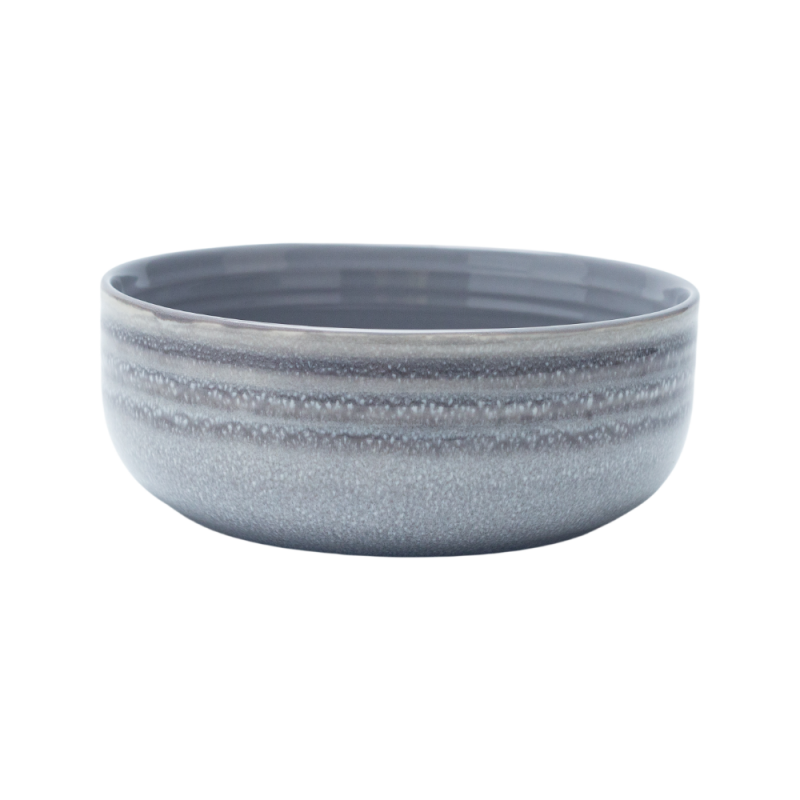
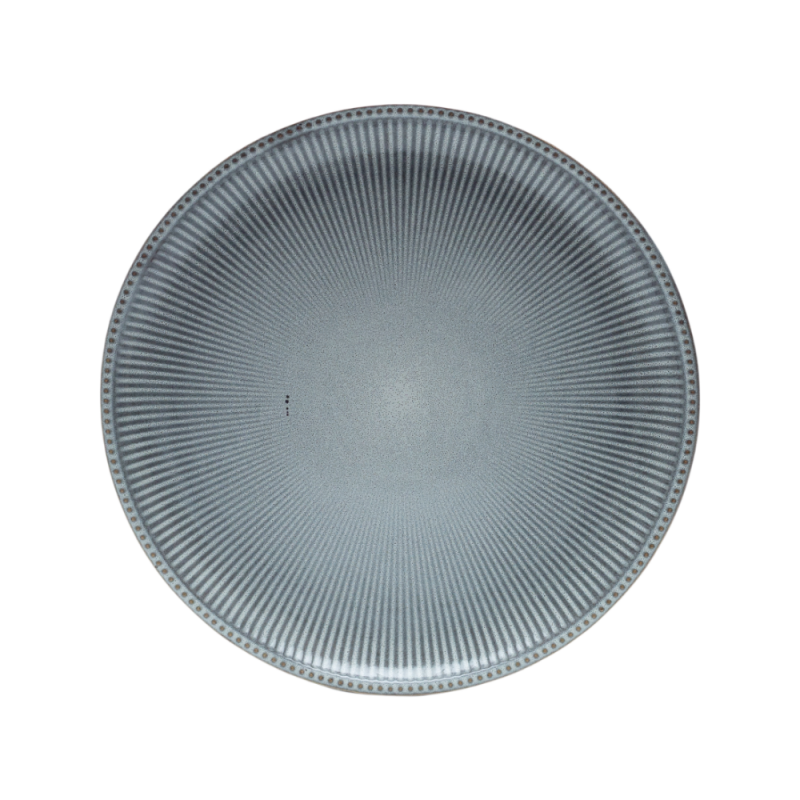
Have questions? See our Sizes & Finishes FAQ and Ordering & Certifications FAQ.
Need a custom quote? Send an inquiry or browse our full product catalog.