Candle Vessels and Home Fragrance: Ceramics Supplied to Another Maker
The Problem: Half This Business Has No Consumer In It
Home fragrance looks like a retail category and is, for a large part, a component supply business. Candle makers and fragrance brands buy vessels by the thousand, fill them with wax and wick, and sell the finished candle. The ceramic supplier therefore sells to a manufacturer rather than to a retailer — which changes what the product must be, what has to be documented, and who is responsible for compliance. Suppliers who approach this as a gift range find that the first question is not about design at all. It is about the wall thickness.
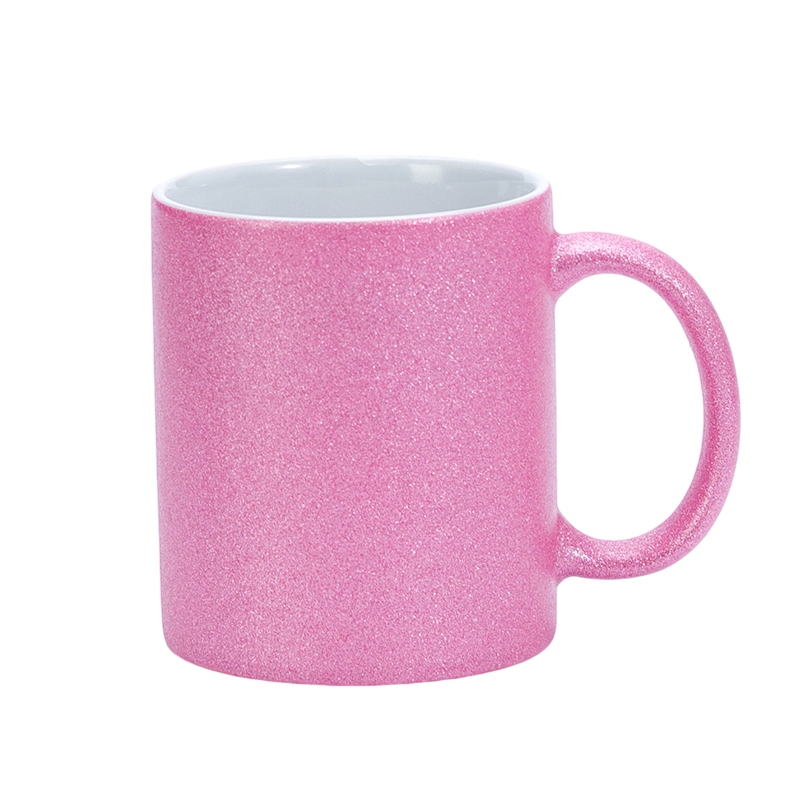
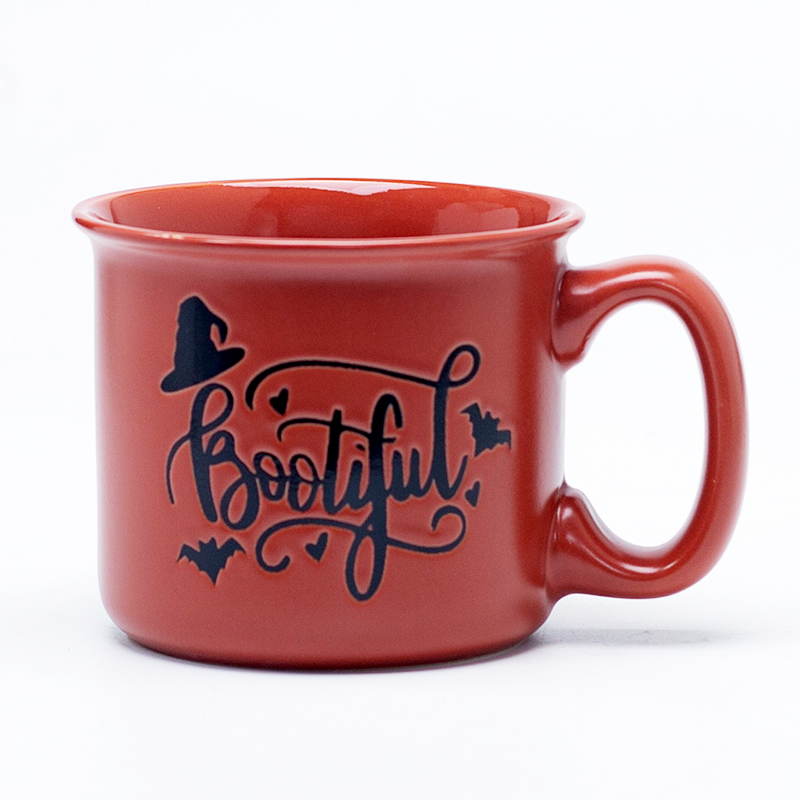
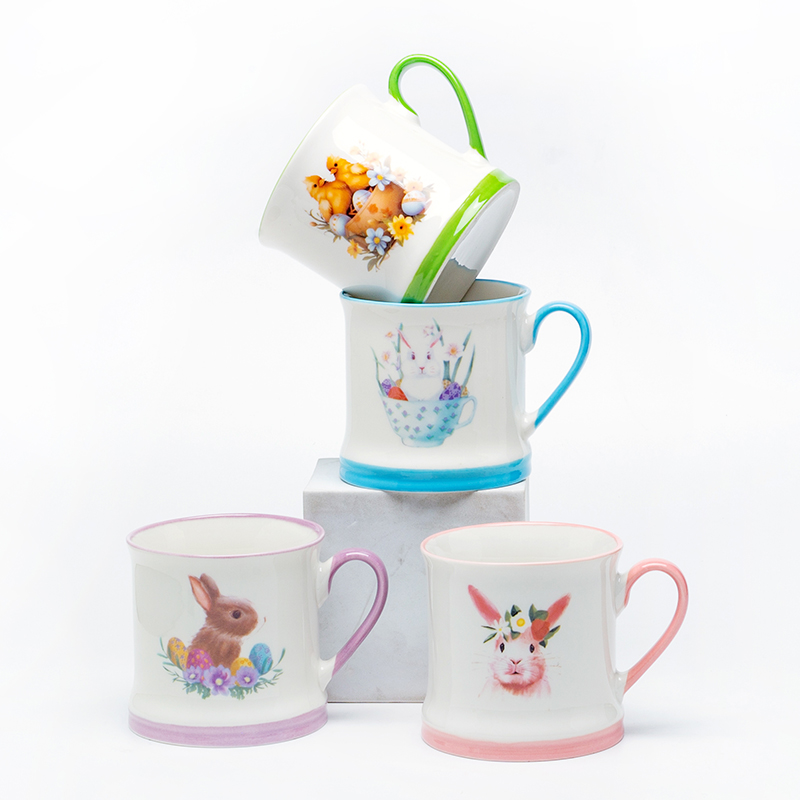
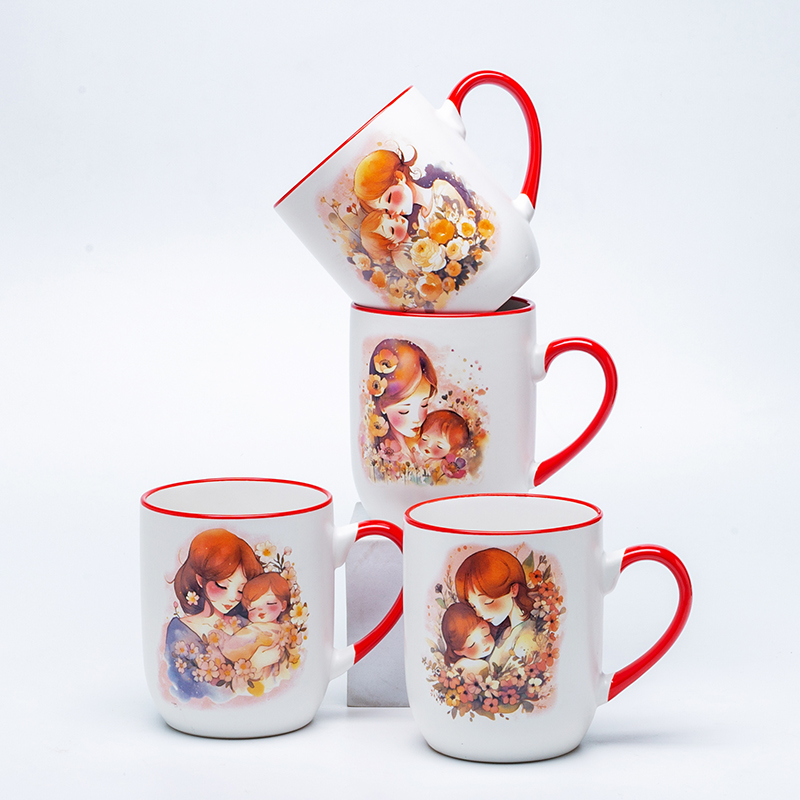
Products in this guide: 11oz Glitter Sublimation Mug · Debossed Logo Halloween Red Floral Ceramic Coffee Mugs - Red & White Spooky Pattern
Where This Fits in the Sourcing Chain
The specification is functional and repeatable: the same vessel is filled thousands of times, so dimensional consistency matters more than decoration. The spec freeze guide explains how artwork and packing files are locked between orders. The vessel usually ships as part of a finished, labelled product, so the pack and the label content belong to the same conversation. The packaging guide explains how retail-ready and protective layers are specified together. The full chain follows the standard sourcing map. See the full ceramic sourcing process map.
What the Specification Has to Cover
Thermal shock resistance. Wax is poured hot and the vessel then cools. A body that survives a direct pour without cracking is the baseline requirement, and it is a material and firing question, not a glaze one.
Wick centring and the opening. The diameter of the rim governs where the wick sits and how the candle burns. An inconsistent rim diameter produces wicks that drift — the most common defect in the category.
Lid fit. Where the vessel has a lid, the fit decides whether the fragrance is retained and whether the lid survives being handled. Lids are also frequently the element changed to differentiate a private-label range.
Decoration and heat. Any decoration applied to the inside or near the rim has to tolerate heat and wax contact. External decoration is safer, with the glazed interior left clean.
Who Buys, and What They Need From a Supplier
Candle makers and home fragrance brands, who want a vessel they can rely on batch after batch, and who frequently want it in a small number of shapes with many colourways. Private-label programmes for supermarkets, pharmacies and gift chains, where the vessel is one line item in a finished product. Hospitality and spa, buying vessels for amenity candles and room fragrance, usually in a plain finish. Gift retail, buying finished candle-and-vessel sets.
Two supplier requirements recur: dimensional consistency across batches, because a maker's filling line is set up for one geometry; and documentation, because the candle is a regulated consumer product in most markets. The obligations that attach to the finished candle — fragrance labelling, warnings, any hazard classification — belong to the candle maker, and a supplier's practical contribution is to provide the vessel's material information and any relevant test data so the maker can complete their own file.
The Gifting Angle That Does Belong to Ceramics
The one place ceramic sells to a consumer directly is the gift set: a candle vessel paired with a mug, a plate or a dish, boxed together. It is the highest-margin version of the category and the easiest to sell, because it combines two gift objects in one purchase. The vessel is the same as in the trade side; only the box and the pairing change.
The Ordering Pattern
Demand is spread through the year with a strong fourth quarter for gifting and a secondary lift in spring. For private-label and hospitality programmes, orders tend to be narrow, deep and repeatable — one or two shapes, large quantities, predictable timing. For a gift-set programme, the fourth-quarter shelf date puts the order in May to July, alongside the other gift ranges. The replenishment calendar maps the ordering windows for the whole year.
The Habit That Ties It Together
The habit is to ask who is filling the vessel before asking what should be printed on it. Programs that do this win dependable component business from makers who reorder for years.
Related Products
Explore products featured in this guide:
Have questions? See our Sizes & Finishes FAQ and Ordering & Certifications FAQ.
Need a custom quote? Send an inquiry or browse our full product catalog.