Bulk Mug Wholesale: Ordering, Volume Pricing & Logistics
Bulk Mug Wholesale: Ordering, Volume Pricing & Logistics
Bulk mug buying is where the margin lives and where the margin dies. The difference between a wholesale order that works and one that erases the profit is rarely the unit price; it is the structure of the order, the volume curve, the product mix, the packaging, and the logistics. A buyer who understands how volume pricing works, how to consolidate a product line, how MOQs and negotiation behave, and how the container and the payment terms are managed, buys mugs at a cost their competitors cannot match. This guide covers the complete bulk mug wholesale process, from the volume strategy to the final inspection, with the mistakes that eat margins called out at every stage.
How Volume Pricing Actually Works
The unit price of a mug falls as the volume rises, but not evenly, and the shape of the curve is the most important number in wholesale buying. The price falls fastest at the low end, where doubling from five hundred to a thousand pieces cuts the unit cost noticeably, because the setup costs, the screens, the molds, and the production line, are amortized over the run. The curve flattens at the high end, where the material and the labor dominate and the volume savings shrink. The professional move is to request quotes at several volume points, five hundred, one thousand, five thousand, ten thousand, and compare the per-piece trajectory, because the volume that gives you the best price-per-piece for your actual demand is the volume to plan for.
Two habits protect the margin. First, buy against actual demand plus a sensible buffer, not against the lowest unit price at an unrealistically high volume, because overstocked mugs tie up cash and warehouse space and their price advantage disappears. Second, understand that the cheapest quote at low volume is often the most expensive at high volume, because factories price differently across their capacity, so the volume comparison should drive the supplier choice, not just the price at one volume.
Consolidate the Product Line
The fastest way to lower the wholesale cost is to consolidate the product line. A buyer who orders mugs in five sizes, three bodies, and four decoration methods pays the setup cost five times, three times, and four times, and the factory sequences the runs inefficiently. A buyer who consolidates to one or two bodies, a single glaze, and a single decoration method, orders in larger runs per line, amortizes the setup once, and gets a lower unit price and a faster delivery.
Consolidation also protects the brand. A tabletop, a gift program, or a retail shelf that uses one consistent body, glaze, and decoration reads as a designed collection, while a mix of unrelated products reads as leftovers. The consolidation should be planned against the actual needs: the sizes that the menu or the market actually requires, the bodies that the decoration method requires, and the decoration that the brand requires. Every SKU added to the line adds cost, and every SKU that does not earn its place should be cut.
MOQs, Negotiation, and the Quote Structure
The MOQ is the factory's minimum economic run, and it is negotiable in structure even when the number is fixed. A factory may hold a hard MOQ per design but offer flexibility on the mix: ordering two designs in one run, or adding a small run to an existing order, can spread the setup. The negotiation should focus on the itemized structure, the setup cost, the per-piece price by volume, the tooling, the packaging, and the sample cost, because a flat discount on a hidden structure just moves the hiding.
The quote structure deserves the same scrutiny as the negotiation. A complete wholesale quote itemizes the body, the glaze, the decoration, the packaging, the tooling, and the freight, and the itemized quote lets you compare factories apples to apples and identify which line item drives the difference. Ask for the quote at multiple volumes, ask for the packaging specification, and ask for the container loading count, because the loading count directly affects the freight cost per piece.
Packaging and the Container
Packaging is where wholesale margins are won or lost silently, because the difference between minimal packaging and professional export packaging is a real cost that shows up as breakage or freight. For bulk mugs, the packaging specification covers the sleeves or separators per mug, the inner carton, the master carton, the void fill, the corner protection, and the pallet configuration. The container loading count, the number of mugs per container, is the number that drives the freight cost per piece, and it depends on the mug size, the packaging density, and the carton dimensions.
The loading plan matters as much as the packaging. Heavy cargo should never be stacked on fragile cartons, the pallets should be stabilized with stretch film and edge protection, and the loading should be documented so the handling team follows the plan. For a wholesale buyer, the freight cost is often a double-digit share of the landed cost, and the decisions that improve the loading density, the packaging, and the handling protect the margin directly.
Inspection: Protect the Batch, Not Just the Sample
A wholesale order is a bet on the consistency of a production run, and the inspection is the protection. The sample proves the factory can make one good mug; the inspection proves it can make a thousand. The wholesale inspection plan covers the pre-production check, verifying that the production setup matches the approved sample, the in-process check, verifying that the early output is consistent, and the pre-shipment inspection, sampling the finished batch against the approved sample, the carton count, and the packaging.
The pre-shipment inspection should follow a recognized sampling standard, with the sample size, the defect criteria, and the acceptance rules defined in writing before the inspection. The inspection should check the body, the glaze, the decoration, the packaging, and the carton count, and the results should be documented with photos. A wholesale buyer who inspects at all three points converts the factory's process into verifiable evidence, and a container that arrives consistent is a container that sells at full margin.
Payment Terms and the Supplier Relationship
The payment terms in wholesale follow the industry standard, typically a deposit, commonly thirty percent, to start production, and the balance before shipment, and the terms should be understood and negotiated before the order, not discovered at the invoice. The payment structure protects both sides: the deposit funds the materials and the production, and the balance before shipment protects the factory, while the inspection before the balance protects the buyer.
The supplier relationship is the quiet factor in wholesale margins. A factory that knows your program quotes faster, matches colors better, sequences your reorders efficiently, and flags problems early, and the relationship is built on clear specifications, prompt payment, and honest communication. For a wholesale buyer, the supplier is not a vendor to switch for a few cents; the supplier is a partner whose consistency is part of the product, and the relationship that protects the program over years is worth more than any saving on a single order.
Mistakes That Eat Wholesale Margins
The wholesale mistakes are predictable, and naming them protects the margin. Over-ordering against the lowest unit price, which ties up cash in mugs that sit in the warehouse. Under-ordering, which forces expensive small reorders with repeated setup costs. Mixing too many SKUs, which multiplies the setup and the complexity. Buying on the quote total without itemizing, which hides the cost drivers. Skipping the pre-shipment inspection, which converts a factory defect into your claim. And ignoring the container loading count, which silently inflates the freight cost per piece. Every one of these mistakes is a margin leak, and every one is avoidable with the structure described in this guide.
Conclusion: Buy the Structure, Not Just the Price
Bulk mug wholesale rewards structure. Understand the volume pricing curve and buy against real demand, consolidate the product line to amortize the setup, negotiate the itemized quote and the MOQ structure, specify the packaging and the loading plan, inspect the batch at three points, and build the supplier relationship that protects the program over time. A wholesale buyer who manages the structure, the product mix, and the logistics turns the same mugs their competitors buy into a lower landed cost and a higher margin, order after order.
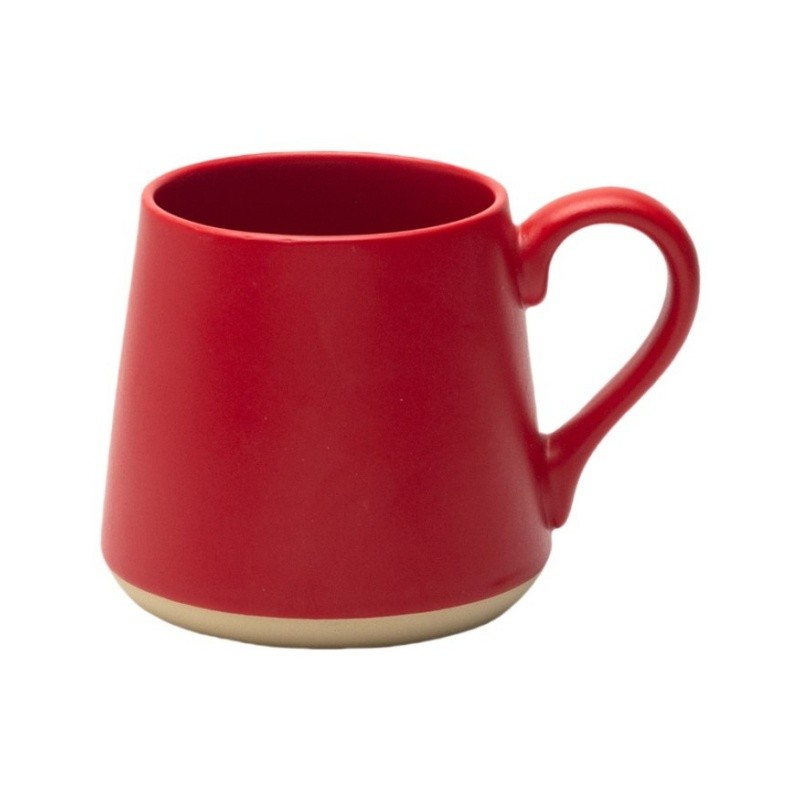
Looking for a wholesale mug partner that protects your margin? Storiware Ceramic Mugs supplies bulk ceramic mugs with itemized volume quotes, consolidated program support, professional export packaging, documented container loading, and pre-shipment inspection. The featured mugs below are a great starting point, and our team will help you structure the wholesale order that fits your business.
The next step for most buyers is a quotation: our bulk order page starts with specification and target quantity.
Featured Bulk Mugs from Storiware Ceramic Mugs
Explore products featured in this guide: