Building the Ceramic Cost Model: How Buyers Price a Mug Before the Factory Quotes
The Quote Is an Answer; the Model Is the Question
A factory quotation answers a question you did not ask — it tells you the price for that quote, not whether that price is right. The buyers who negotiate well do not read quotes; they build models. A cost model — the unit cost of a mug or a dinnerware set, broken into its components — turns a quotation from a number to be accepted into a number to be tested. This guide covers the unit cost breakdown, the custom add-ons, and the annual budget template.
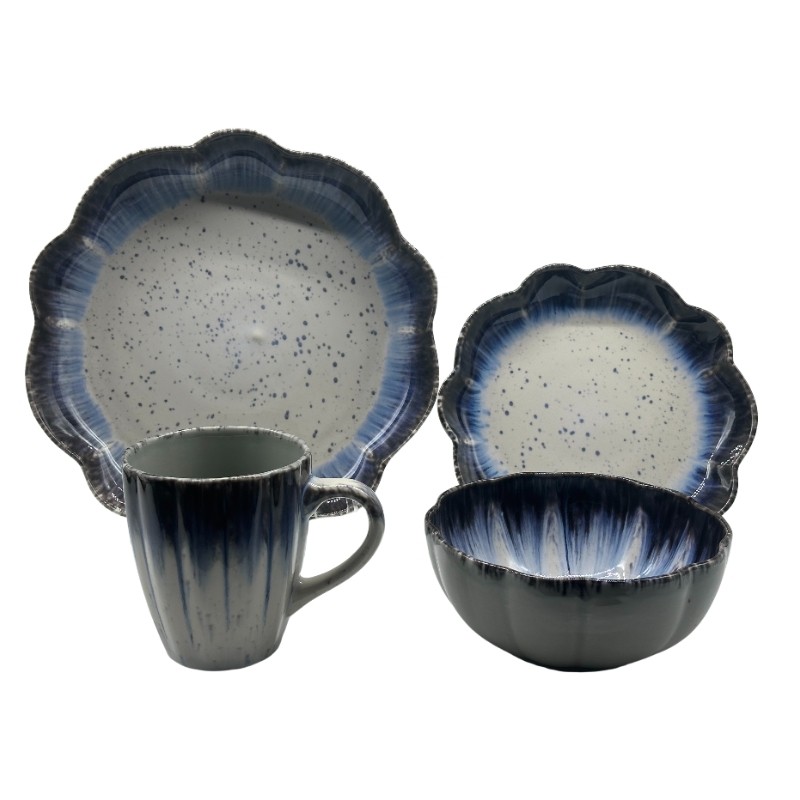
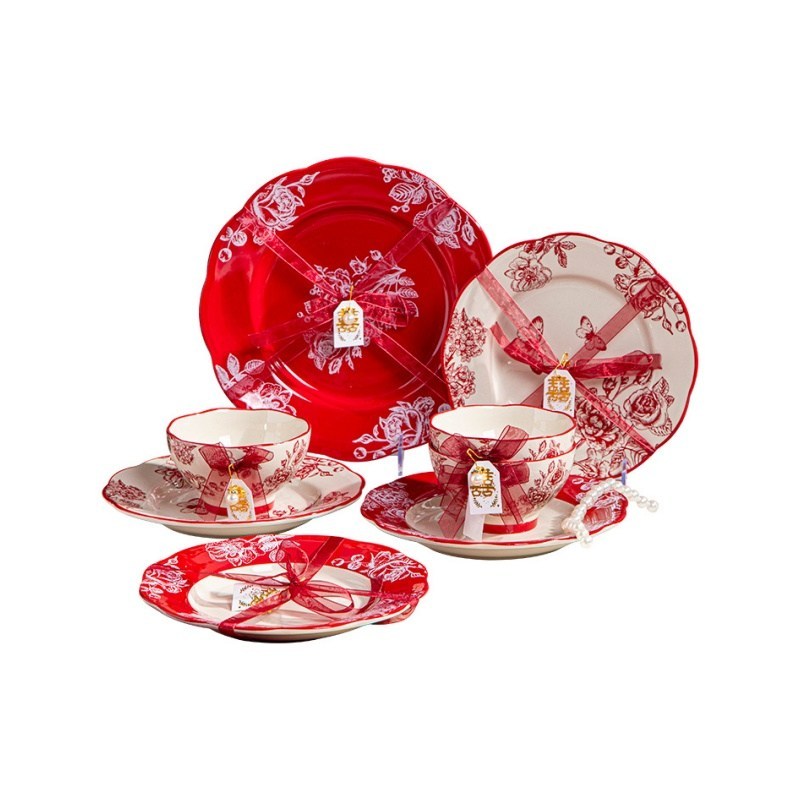
Products in this guide: 16-Piece Stoneware Reactive Glaze Dinnerware Set · Elegant Newlywed Ceramic Dinnerware Set 24-Piece
The Unit Cost Breakdown
The landed cost of a ceramic unit breaks into five components, and knowing the rough weight of each makes any quote testable:
- Body and materials: the clay body and the glaze materials. For standard white bodies this is a small share; for special bodies (bone china, high-content stoneware) it grows.
- Firing and energy: the kiln is the energy bill (see our ESG guide for the footprint angle) — firing cost scales with kiln cycles, so it is roughly fixed per kiln load and falls per unit as the order fills the kiln. This is why volume pricing in ceramics is real: the kiln is the shared cost.
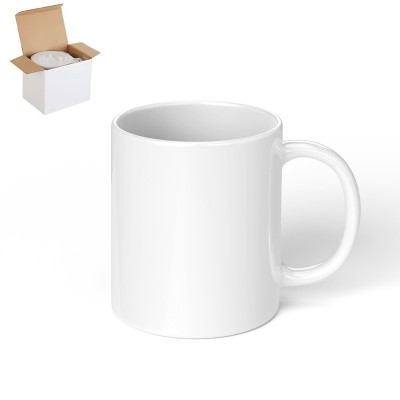
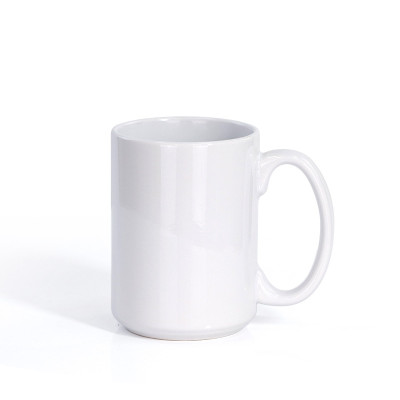
- Labor: forming, glazing, decorating, packing. The share depends on the decoration — a plain white mug is labor-light; a hand-painted or complex-decorated piece is labor-heavy.
- Packaging: the carton, the inserts and the packing labor (see our packaging guide). This is the most underestimated component — premium gift packaging can approach the body cost.
- Freight and landed costs: the sea freight, insurance and import costs per unit (see our shipping guide for modal differences). The rule: land the model in your currency and your warehouse, not at the factory gate.
The Custom Add-Ons
A custom program adds three costs that the stock quote never shows: the mold investment for new shapes (amortized across the expected volume), the development and sampling costs (see our sampling and development guides), and the decoration setup (screens, decals, lab dips — see our color guide). The rule: price the add-ons into the model before negotiation, so the custom program's true unit cost is visible — a factory quote that hides the mold or sample cost is a quote that will find it somewhere else.
The Annual Budget Template
The model's second job is annual planning: quantity per SKU, unit cost from the model, currency and exchange-rate assumptions (see our currency guide), freight per container, and the buffer for material and rate moves. The template turns the year into a number: the total landed budget, the per-SKU margin at your selling price, and the reorder trigger when actual costs deviate from the model. The rule: the annual budget is the model run forward, and the monthly review is the model run against reality (see our inventory and framework-agreement guides for the operational side).
The Test: Negotiation Against the Model
With the model built, the negotiation changes shape: when the factory quotes above the model's range, ask which component moved — body, firing, labor, packaging or freight — rather than asking for "a better price"; when the quote is below the model, ask which component is cheaper than it should be (the classic answer is a lighter body or thinner glaze, which the quote does not say). The model gives the negotiation a language: every price becomes a component conversation, and the buyer who can talk components gets the honest breakdown instead of the round number.
The Cost Model Checklist
Before the next quote or the next budget, confirm: the unit model has all five components (body, firing, labor, packaging, freight) landed in your currency; the custom add-ons (mold, development, decoration setup) are priced in; the annual budget runs the model forward with currency and material buffers; and the monthly review compares actuals to the model. The buyers who build models do not need to be told whether a price is fair — they can see it, component by component.
"Cost-Model-Ready Ceramic Programs"
Explore products featured in this guide:
Have questions? See our Sizes & Finishes FAQ and Ordering & Certifications FAQ.
Need a custom quote? Send an inquiry or browse our full product catalog.