Building a Private-Label Ceramic Brand: From Whiteware to a Branded Line Your Customers Reorder
Private Label Is Buying the Factory's Skill and Selling Your Brand
A private-label ceramic line is simple in concept: you sell ceramic tableware under your own brand, produced by a factory that stays invisible to your customer. The buyer's job is not to make ceramics — it is to choose the right whiteware, put the brand on it, package it well and manage the reorder cycle. Done right, private label converts a commodity purchase into a branded product with a margin your customers accept because of the name on the box, not the clay in the mug.
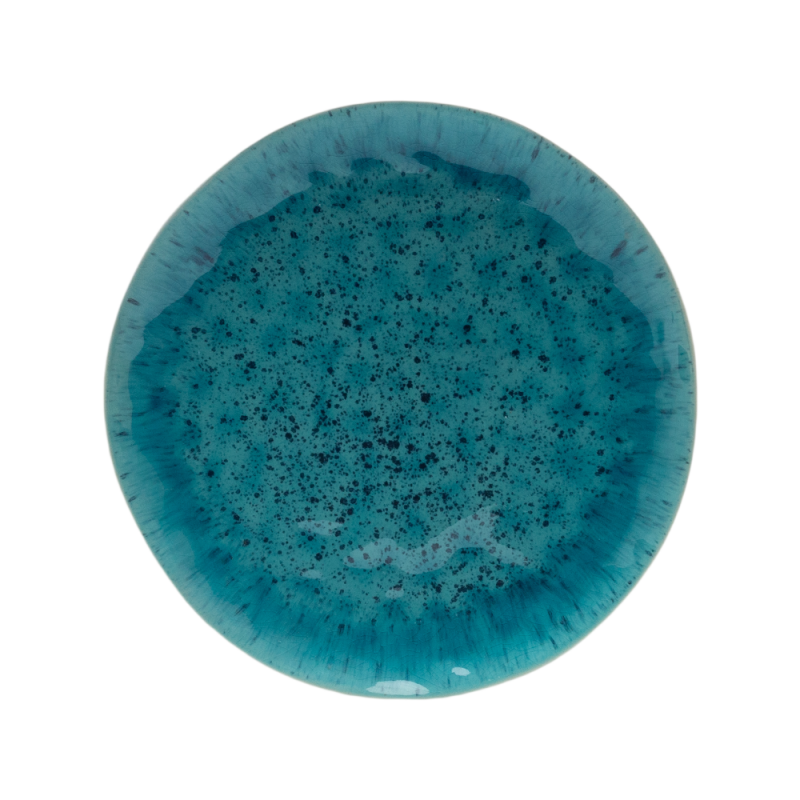
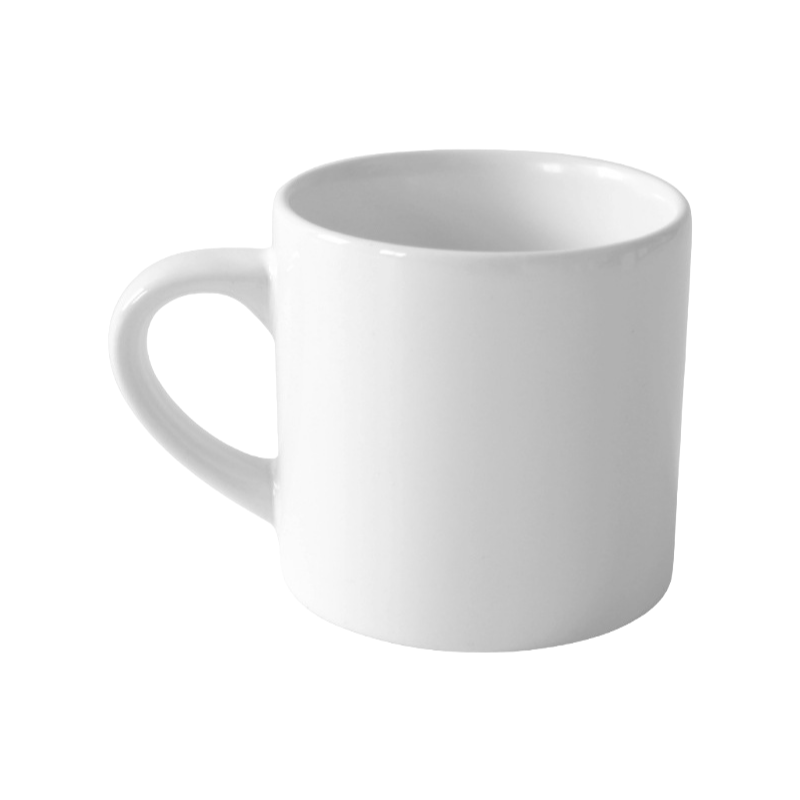
Products in this guide: Best Ceramic Dinnerware Plate · 6oz Ceramic Kids Cup
This guide walks the four decisions that make or break a private-label ceramic program: product selection, branding and packaging, the legal paperwork, and the reorder economics.
Decision 1: Whiteware vs Custom Shapes
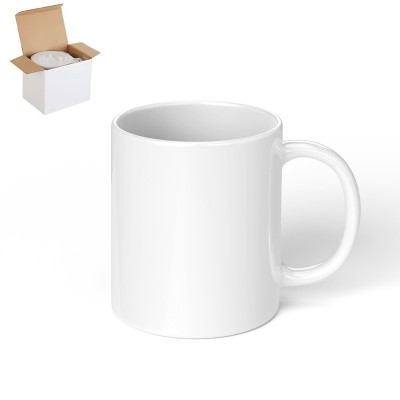
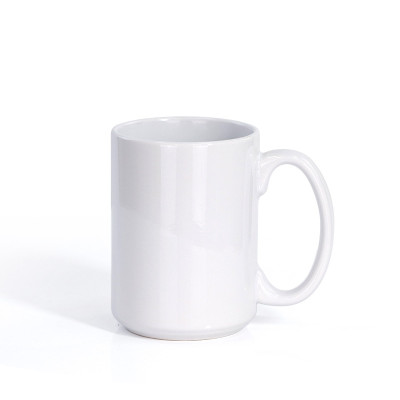
The first decision is how much of the product is already designed. Most private-label brands start on whiteware — the factory's existing blank shapes — and decorate them with the brand. Whiteware wins on cost, minimums and speed: no mold fee, lower MOQ, and a lead time weeks shorter than a custom shape.
Custom shapes are for brands that need a silhouette competitors cannot copy — a signature mug profile, a unique handle, a branded plate rim. The cost is a mold fee (typically $800–3,000 per shape) and a higher MOQ, but the shape becomes brand equity that follows you across reorders.
The practical path for a first line: launch on 3–5 whiteware shapes (a mug, a latte cup, a bowl, a plate, a saucer), prove the brand in the market, then move one hero shape to custom once the reorder data shows which silhouette sells.
Decision 2: Branding and Packaging
The decoration is where the brand appears. Three levels, in rising cost:
- Sublimation printing: full-color photographic prints on coated blanks — the standard for mugs and gift lines. Ideal for colorful brand graphics.
- Screen-printed logos and patterns: crisp single- or multi-color decoration on glazed ware, durable and cost-effective at volume.
- Decals and custom glazes: the premium tier — underglaze decals, reactive glazes, gold and metallic accents that read as a designer product.
Packaging matters as much as the product. The private-label brand is the box: a printed gift box with your logo, a hang tag with the story, a sticker system for SKU codes, and an inner pack spec that survives freight. Buyers consistently under-invest in packaging and then wonder why a good mug sells at commodity price — the box is what makes it a gift and a brand.
Decision 3: The Legal Paperwork That Protects the Brand
Private label runs on paperwork that must be settled before the first order, not after a problem:
- Artwork and mold ownership in the contract. The artwork files and any custom molds belong to you, stored at the factory, and the factory may not use them for other buyers. This is the clause that keeps your brand exclusive — without it, your design can legally appear on a competitor's shelf.
- Brand markers on the product. A bottom stamp, a logo on the base or an inner-package brand mark identifies the piece as yours and deters parallel production.
- Quality and compliance records. The factory's test reports (LFGB, FDA, lead-cadmium) should be issuable in your brand's name or as a pass-through document — your customers will ask for them.
- Exclusivity terms for key items. If a shape or pattern is central to the brand, negotiate exclusivity in writing for your market or channel.
Decision 4: The Reorder Cycle That Makes It Profitable
The margin in private label comes from reorders, not the first order. The first order pays for setup; reorders pay for profit. Three numbers drive the economics:
- The reorder point. At what stock level do you reorder, given a 10–14 week order-to-landed cycle? Running out of a hero SKU for a season erases the margin on dozens of smaller sales.
- The reorder quantity. The MOQ for reorders of an established design is usually lower than the launch MOQ. Confirm this in the contract — it is the number that protects your cash flow.
- The drop-ship or fill-in split. For retail programs, plan a core order that covers the season plus a fill-in mechanism for hot SKUs, instead of one giant order that either overstocks or runs dry.
A healthy private-label line reorders its hero SKUs 2–3 times per year on proven sell-through, adds one new shape or pattern per quarter, and retires the SKUs that did not clear two cycles. The discipline is ruthless pruning: a private-label catalog grows by deleting, not just adding.
The Launch Checklist
Before the first PO, confirm: the whiteware or custom shapes with their MOQs; the decoration method with sample approval; the packaging spec including the gift box, hang tag and SKU sticker; the artwork and mold ownership clause in the contract; the test report availability in your brand name; and the reorder MOQ and lead time in writing. Launch with 3–5 shapes, prove two sell-through cycles, then invest the profit in one custom hero shape. That is the whole private-label playbook — and it is built on the factory's skill plus your brand, not on inventing ceramics from scratch.
Comparing supply routes? Our custom ceramic mug programme page explains what a factory-direct order actually includes.
"Brand-Ready Ceramic Programs"
Explore products featured in this guide:
Have questions? See our Sizes & Finishes FAQ and Ordering & Certifications FAQ.
Need a custom quote? Send an inquiry or browse our full product catalog.