Building a Ceramic Mug Product Line: A Sourcing Blueprint for Importers and Wholesalers
From a Stack of Samples to a Sellable Range
Every importer or wholesaler starts the same way: a table full of samples, a spreadsheet of prices, and a nagging question — what do I actually order? The difference between a profitable ceramic mug program and a warehouse of slow movers is not luck; it is product-line architecture. A coherent range sells itself to retailers; a random assortment needs discounts. This guide gives importers and wholesalers the five-step blueprint for building a ceramic product line that retailers reorder and customers recognize.
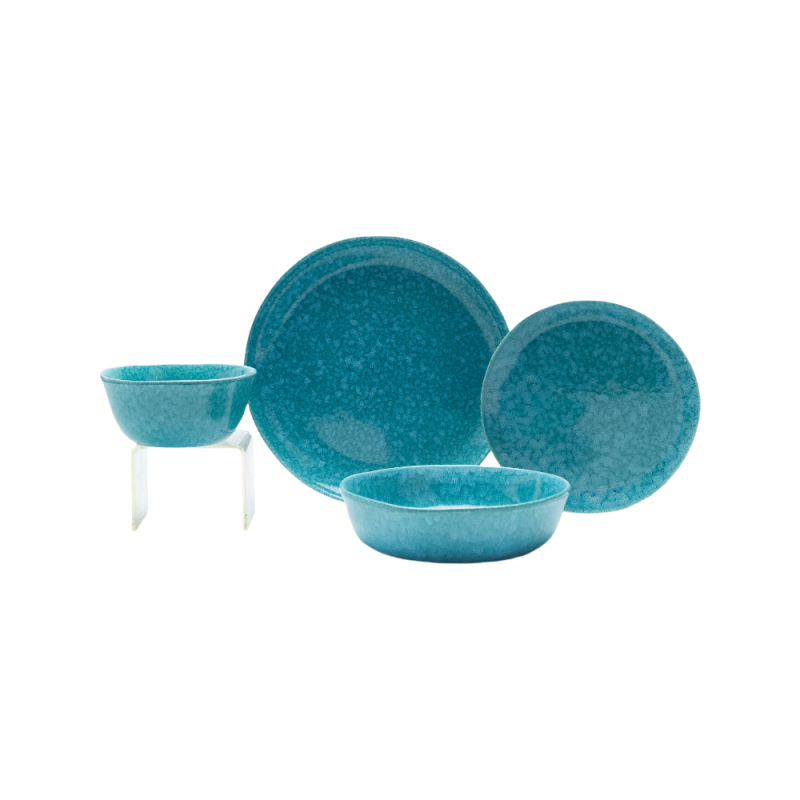
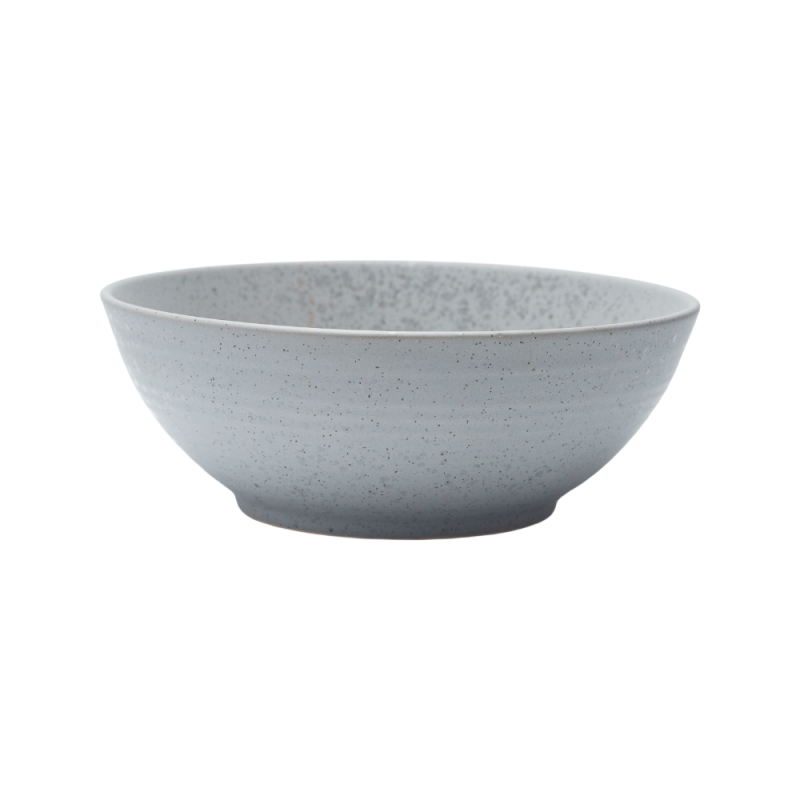
Products in this guide: 4-Piece Teal Crystalline Dinnerware Set · Nordic Matte Speckled Bowl
Step 1: Select the Market Window First
The range must answer one question before anything else: who is buying, and in what moment? A housewares importer serving independent retailers needs a different range than one serving hotel procurement or gift distributors. Pick your primary market and channel, then build the range around its buying pattern — including seasonality. A ceramic range planned around the fourth-quarter gift season, for example, is architected from August: samples locked, production scheduled, containers booked.
Step 2: Architect the SKU Structure
The single most common mistake is ordering too many SKUs. Retailers and distributors want a coherent range they can buy across, not fifty unrelated items. The disciplined structure is three layers:
- Hero SKUs (2-4): the items that define the line — a signature mug, a distinctive bowl, a set that photographs well. These earn the listing.
- Volume SKUs (5-8): everyday mugs and tableware in classic sizes and finishes that reorder steadily and carry the margin base.
- Traffic SKUs (2-3): seasonal or fashion pieces that refresh the range and pull new buyers in.
Keep the total under 15 SKUs for the first season. A tight range that reorders beats a wide range that discounts.
Step 3: Evaluate Suppliers Like a Range Partner
For a product line, the supplier is a partner in range continuity — not a one-order vendor. Evaluate on four things beyond price: pattern and mold archives (can they reproduce the same piece years later?), consistent quality across batches (will batch three match batch one?), reorder lead times (can they deliver a fill-in order within weeks?), and decoration capability (can the range grow from plain to decorated without changing supplier?). A factory that archives your molds and artwork turns every reorder into a routine, which is the entire economics of a product line.
Step 4: Build the Price Architecture
A range needs internal logic in pricing, not just a cost-plus number. Design three tiers that match how retailers and distributors buy:
- Entry tier: a clean, classic mug at a competitive price — the foot-traffic item.
- Mid tier: the decorated or distinctive versions with better margins — where most of the profit sits.
- Premium tier: handcrafted, reactive-glaze or gift-boxed pieces at a higher ticket — the range's aspiration and its best margin.
Make sure each tier has at least one SKU retailers recognize as "value," because a range without a visible value anchor is hard for a retail buyer to approve.
Step 5: Build Reorder Discipline
A product line is a machine that must be kept running. Three rules keep it profitable:
Rule 1 — Track sell-through, not sell-in. What you shipped to retailers matters less than what they reordered. Reorders are the truest signal of a working SKU; use them to prune the range every season.
Rule 2 — Hold pattern continuity. When a SKU works, never change its body or decoration casually. Retailers and customers recognize the piece; changing it quietly breaks the range's identity.
Rule 3 — Pre-book seasonal capacity. For the fourth-quarter season, confirm production slots in advance — capacity is the constraint that kills reorders, not demand.
The Range Review: What a Healthy Line Looks Like
At the end of each season, review the numbers: reorder rate per SKU, margin per tier, and sell-through vs. forecast. A healthy line has a reorder rate above 60% on hero SKUs, a mid tier that generates most of the margin, and a pruned tail — slow movers cut every season, not every year. This rhythm is what separates a product line from a pile of products.
Building Yours with a Range-Ready Factory
A range needs a supplier that behaves like a partner in continuity: archived molds and patterns, batch-to-batch consistency, fast reorders and room to grow from plain to decorated. Our factory is built for exactly this — consistent stoneware and porcelain programs, pattern archives for year-after-year reorders, and decoration upgrades without changing supplier. If you are building or expanding a ceramic range, send us your market and target SKU structure; we will quote the range as a program, with the continuity terms that keep it selling.
If this article answered the planning question, our custom mug bulk order overview answers the execution one.
"Range-Building Tableware Pieces"
Explore products featured in this guide:
Have questions? See our Sizes & Finishes FAQ and Ordering & Certifications FAQ.
Need a custom quote? Send an inquiry or browse our full product catalog.