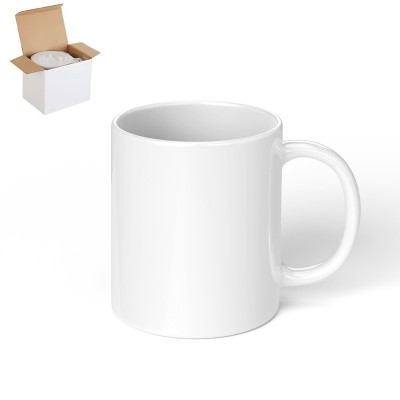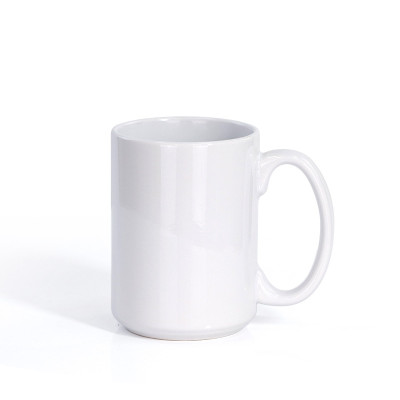
Breakage-Proof Packaging for Ceramics: The Engineering That Takes Damage from 3% to Under 1%
Breakage Is a Packaging Problem, Not a Shipping Problem
When a ceramic container arrives with damaged goods, the reflex is to blame the carrier. The evidence usually says otherwise: 80% of ceramic transit damage is decided at the packing stage — the liner that was too thin, the divider that was omitted, the stack that was too high, the carton that was not braced. Shipping is a known quantity; the voyage will happen. The packaging is where the damage is won or lost, and the buyers who treat packaging as an engineering task, not a box-filling chore, are the ones with damage rates under 1%.
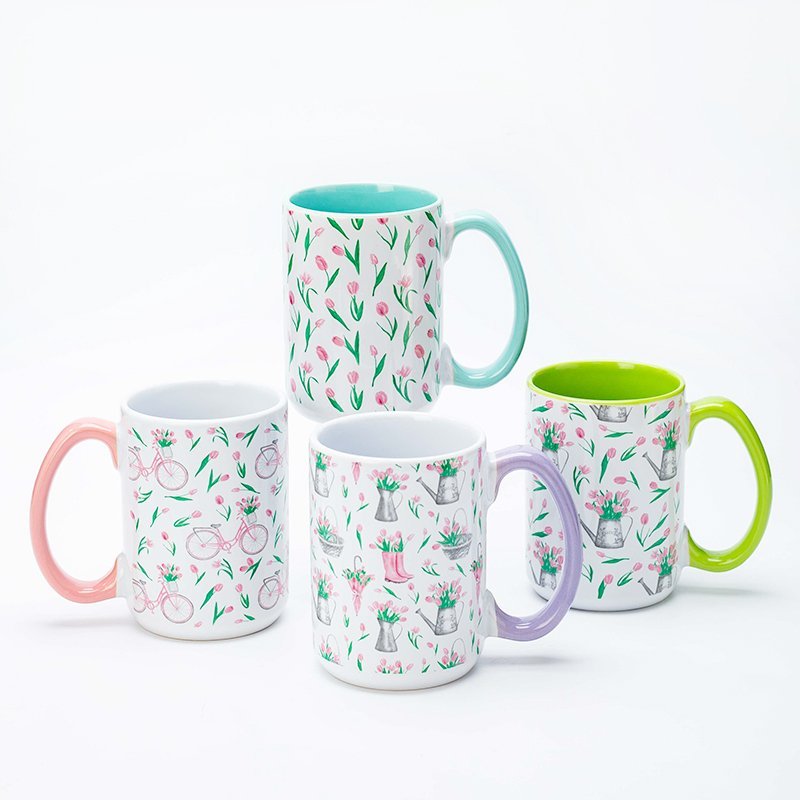
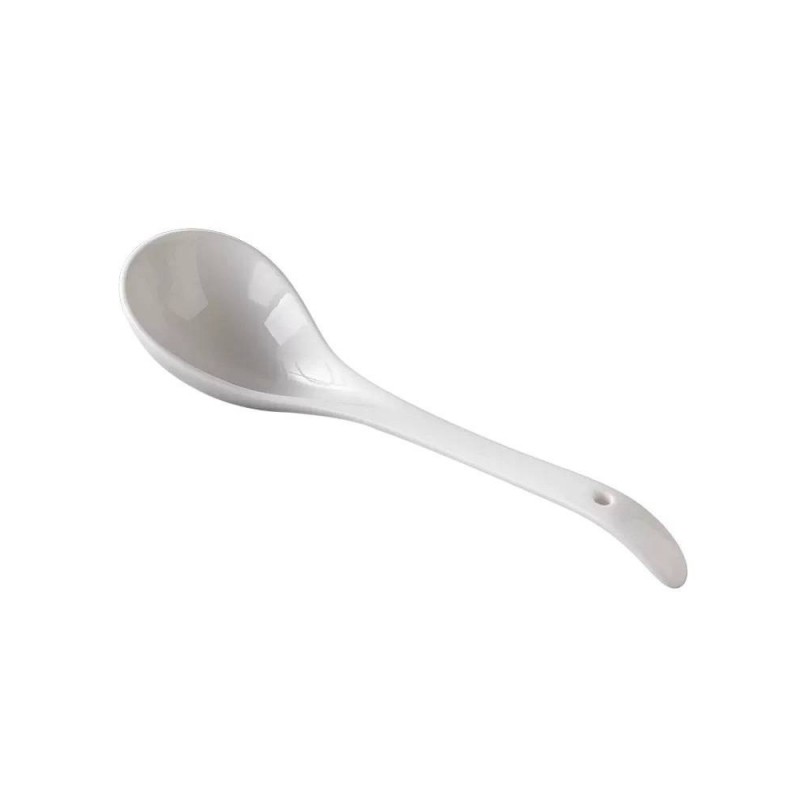
Products in this guide: Ceramic Decal Floral Mugs · White Ceramic Spoon
This guide covers the packaging engineering for ceramics: the liner choices, the dividers and corner protection, the container loading rules, and the tests that prove the pack.
Liner Choice: What Goes Between the Ceramic and the World
The liner is the first line of defense. Three options dominate, in rising protection and cost:
- Pulp molding (paper pulp trays): molded trays that cradle each piece — the premium choice for plates, bowls and decorated ware. Excellent shock absorption, recyclable, and the industry standard for gift-boxed ceramics.
- EPE foam (expanded polyethylene): soft, resilient sheets and inserts that wrap pieces and fill voids. Cheaper than pulp molding and very effective; the trade-off is recyclability.
- Corrugated honeycomb and cardboard dividers: flat or honeycomb-structured cardboard that separates pieces within a carton — the workhorse for mugs and standard ware, and the cheapest option.
The rule: match the liner to the piece. Plates and bowls (large flat surfaces) need pulp trays or EPE; mugs (cylindrical, handle out) work with corrugated dividers and corner cushioning; fragile or decorated items get EPE wrap plus a divider.
Dividers and Corner Protection
Within the carton, two elements decide most of the damage outcome:
- Dividers between pieces: ceramic-to-ceramic contact is the #1 breakage cause — a mug rattling against its neighbor in transit is a mug that will not arrive. Every piece must be separated: divider cells for mugs, trays for plates, foam sheets between bowls.
- Corner and edge protection: cartons absorb impacts at their corners and edges first. Corner protectors (cardboard or EPE triangles) and edge pads convert a drop that would crush a corner into a drop that the carton survives. Handles, rims and spouts — the protruding ceramic parts — get extra cushioning.
The test for a good divider layout: shake the packed carton — nothing should move.
Container Loading Rules
The container is where packaging meets physics. Four rules hold the line:
- Stack height limits: ceramic cartons stack 5–7 high on pallets, never to the container roof unsupported. Every layer above the safe height adds compression on the bottom cartons — and bottom-carton crush is the silent damage that shows up at arrival.
- Palletization and strapping: cartons on pallets, stretch-wrapped, strapped to the pallet. A pallet that holds together survives the forklift; a loose carton pile does not.
- Weight distribution: heavy cartons at the bottom, light cartons on top, within each stack. A heavy carton stacked on light ones transfers force down the stack.
- Void filling: any gap between the stack and the container wall is a space where the load can shift. Fill voids with dunnage — an unbraced load shifts in the first rough sea and compresses everything behind it.
The Tests That Prove the Pack
A pack that looks right and a pack that survives are different things. Two tests settle it before the container ships:
- Drop test: a packed carton (with product) dropped from a defined height — typically 60–80 cm onto concrete — from each face and each corner. If the product survives the corner drops, the pack passes the first gate.
- Vibration test: a packed carton on a vibrating table simulating transport — a few hours at controlled frequency exposes the failures that the drop test misses: pieces rattling against dividers, liners shifting, handles chipping.
The factory's packaging line should be able to run these tests; a buyer who ships a new pack design without a drop test is shipping on hope. (And the test record doubles as evidence if the claims conversation ever happens — see our sea-freight damage guide.)
The Damage-Reporting Loop
Packaging improves only if damage is measured. The loop: record the damage rate per shipment (pieces damaged / pieces shipped); identify the failure pattern (corner crush, handle chip, glaze scratch — each has a packaging cause); and feed the pattern back into the pack spec. A damage rate that stays above 1% is a pack spec that needs revision, not a run of bad luck. The buyers who get to sub-1% damage are the ones who treat every damaged piece as a packaging data point, not a complaint.
The Packaging Checklist Before Shipping
Before the container is packed, confirm: the liner matches the piece type (pulp trays for plates, dividers for mugs, EPE for fragile); every piece is separated — no ceramic-to-ceramic contact; corners and edges are protected, protruding parts (handles, spouts, rims) cushioned; stack height is within limits and weight is distributed bottom-heavy; pallets are wrapped and strapped; voids are filled; and a drop/vibration test has been run on the pack design. Packaging is 80% of the damage equation — and it is the 80% the buyer controls.
"Packaging-Smart Ceramic Programs"
Explore products featured in this guide:
Have questions? See our Sizes & Finishes FAQ and Ordering & Certifications FAQ.
Need a custom quote? Send an inquiry or browse our full product catalog.