Blank Mugs for Printers: How to Buy Sublimation-Ready Stock That Actually Sells
Buy Blanks Like a Printer, Not Like a Gift Shop
If you run a mug printing business — dye sublimation, screen printing, or decal — your blank stock is your product. The design is what customers buy; the blank is what they keep. Yet most printers pick blanks by looks alone and discover too late that the print area is too small, the glaze rejects ink, or the handle breaks in the oven. This guide covers how to buy blank ceramic mugs the way a professional print shop does: for the print, the process and the sell-through.
Size and Print Area: Match the Blank to the Machine
The single most expensive mistake in blank buying is ordering mugs your press cannot handle.
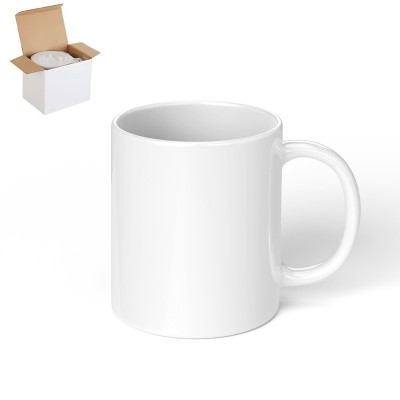
- 11oz (325ml): the standard straight-wall mug. Print area roughly 82-95mm wide × 180-190mm tall on the classic shape — fits virtually every mug press.
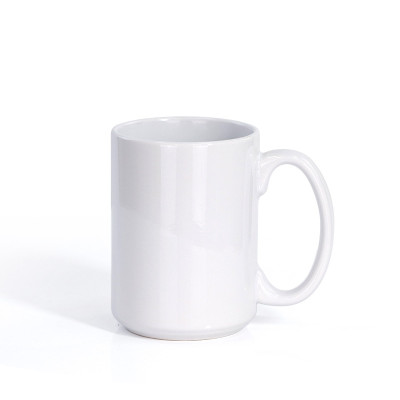
- 15oz (444ml): taller and wider body, print area around 95mm × 200mm. Great for "large" customers, but confirm your heat press platen covers the full wrap.
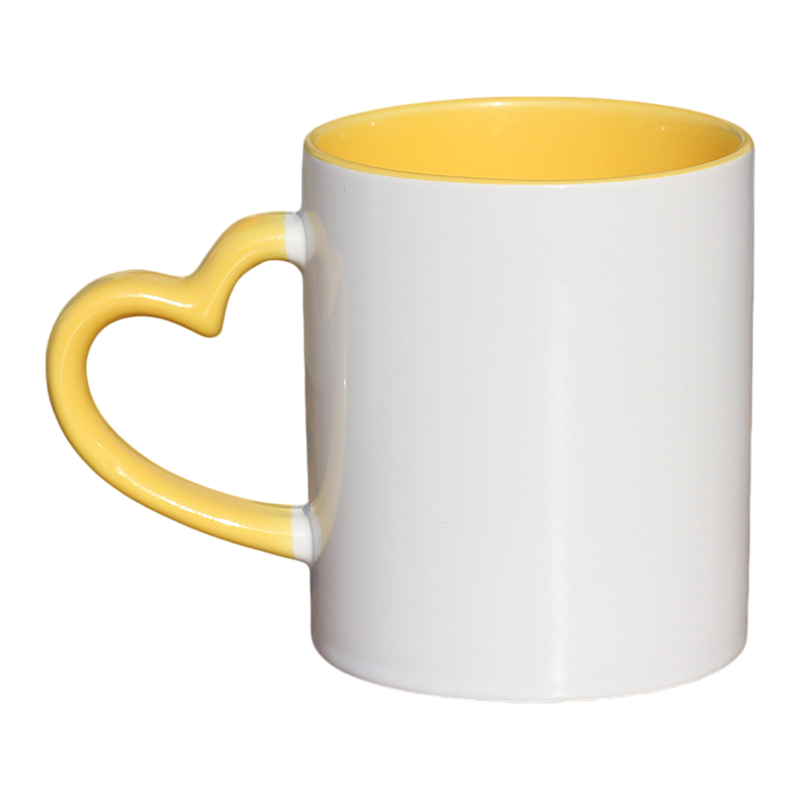
- Tall and special shapes (500ml tall, stackable, handled): each shape changes the wrap geometry. Always ask the supplier for the exact print area drawing before you order in volume.
Rule of thumb: print area is a specification, not a description. Get the mm numbers in writing from the supplier and compare against your press.
Glaze Surface: The Hidden Compatibility Factor
Not every blank accepts every ink.
- Standard glossy white is the most forgiving surface for dye sublimation and most screen inks — this is why 90% of print shops stock it.
- Matte glaze gives a premium look and a different hand feel, but dye sublimation on matte can read slightly muted; test a sample before committing a large run.
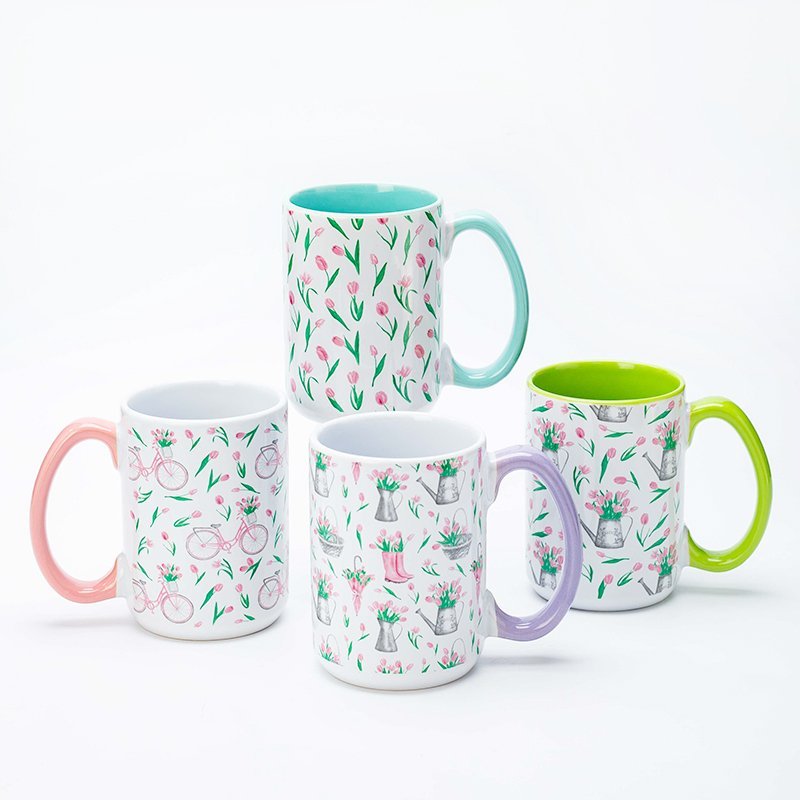
- Colored or speckled glaze mugs are trending fast, but treat them as specialty stock — order small, test print, then scale only what sells.
- Uncoated/unfinished (bisque) blanks are for ceramic decorating (hand-painting, glazing), a different workflow entirely — make sure you are buying finished blanks unless you run a kiln.
Ask the supplier for the glaze composition and a test sample before your first bulk order. It is a ten-dollar sample that saves a thousand-dollar mistake.
Bulk Pricing: What You Should Really Negotiate
Blank mug prices look simple, but the per-unit number hides real variables:
| Volume | Typical price behaviour | What moves the price |
|---|---|---|
| 1-50 pcs | Highest per-unit (sampling/trial) | Sample fee, packaging |
| 100-500 pcs | Small-batch price | Carton mix, color assortment |
| 1,000-5,000 pcs | Bulk price begins | MOQ per SKU, glaze consistency |
| 10,000+ pcs | Full factory price | Raw material booking, dedicated cartons |
The lever that matters most is how many SKUs per container. A single 11oz white mug in 10,000 pcs prices far better than 10 SKUs of 1,000 each — the factory keeps the kiln full with fewer glaze changes. Plan your assortment to concentrate volume on 2-3 hero SKUs.
Quality Checks: Five Things to Verify on the First Batch
- Warp and wobble: place each mug on a flat surface; a rocking base kills the print alignment.
- Handle integrity: tap it; a dull "thud" can mean a crack invisible to the eye. Check handles survive your heat press temperature.
- Color consistency: same box, different firing batches = noticeable white variance. Ask for batch numbers and mix from multiple boxes.
- Print-area flatness: pinholes or glaze runs in the print zone show up as white dots under a sublimation transfer.
- Lead/cadmium compliance: if your mugs go to EU or US customers, ask for the test report (LFGB/FDA) before you build your whole line on the blank.
Restock Planning: Stock Out Is a Lost Customer
Printers lose money two ways: dead stock and empty shelves. A simple cadence fixes both:
- Keep a 12-week rolling stock of hero blanks.
- Reorder at the reorder point (weekly sales × lead time × 1.5 safety factor), not when the shelf looks low.
- Lock in blanks for Q4 seasons by July — holiday print demand spikes and factory kiln slots fill fast.
Working With a Factory: Five Practices That Get You Better Service
- Send your press specs (platen size, heat time) with the first inquiry — the supplier can pre-flag shape mismatches.
- Order samples of every new shape and test-print before bulk — never skip this.
- Standardize your hero SKU — repeat orders on the same SKU get smoother glaze matching.
- Ask for batch consistency reports on larger runs (glaze lot numbers, firing records).
- Build a reorder rhythm — factories quote better and hold stock for buyers who order on schedule.
Your blank stock is an asset, not an afterthought. Choose it for your press, your ink and your customers — and the printing business takes care of itself. Need a quote on sublimation-ready blanks or decal-print mugs in bulk? Send us your SKU list and press specs, and we will price it with the print area included.
Comparing supply routes? Our custom ceramic mug programme page explains what a factory-direct order actually includes.
"Featured Blanks and Decal-Ready Mugs"
Explore products featured in this guide:
Have questions? See our Sizes & Finishes FAQ and Ordering & Certifications FAQ.
Need a custom quote? Send an inquiry or browse our full product catalog.