Beer Steins and Oktoberfest: A Season With Its Own Product Logic
The Problem: A Mug Programme Does Not Cover It
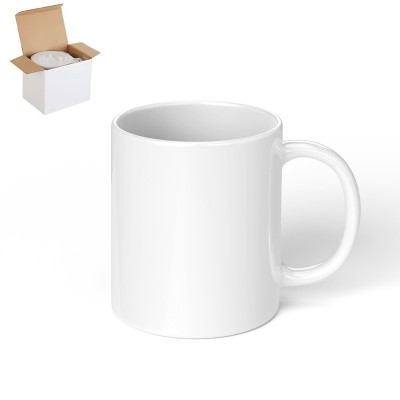
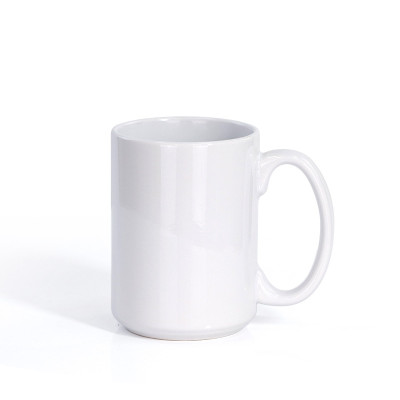
Beer vessels look like a variation on a mug programme and are not one. The physics differ — capacity, wall thickness, handle geometry, thermal behaviour — the buyers differ, and the season is concentrated into a few weeks. Approaching it with an existing mug tooling produces a product that looks wrong in the hand, which is exactly where this category is judged. The good news is that the category is well defined, the specifications are standard, and the buyers repeat every year.
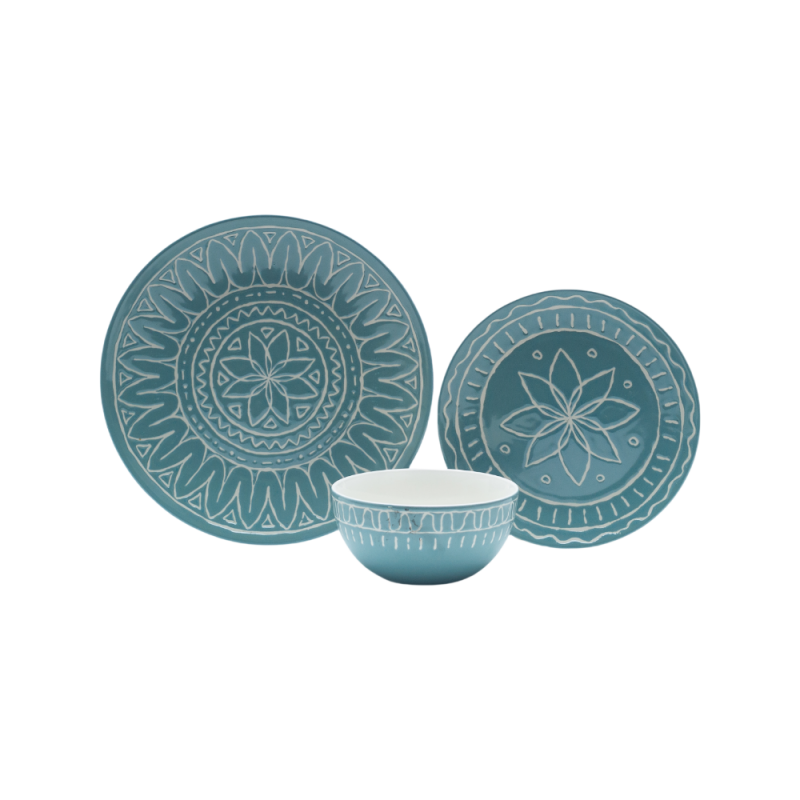
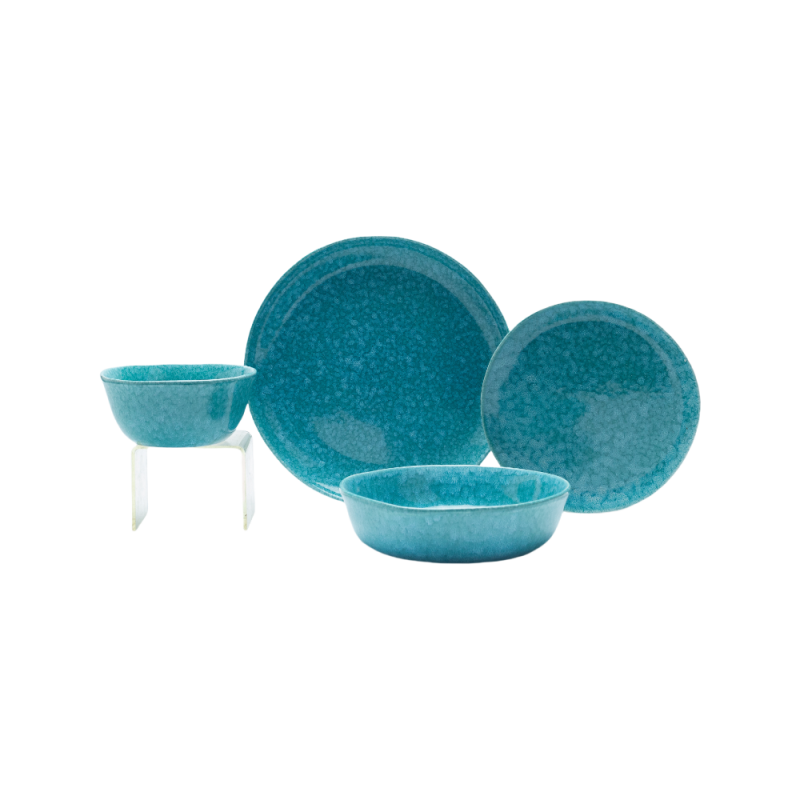
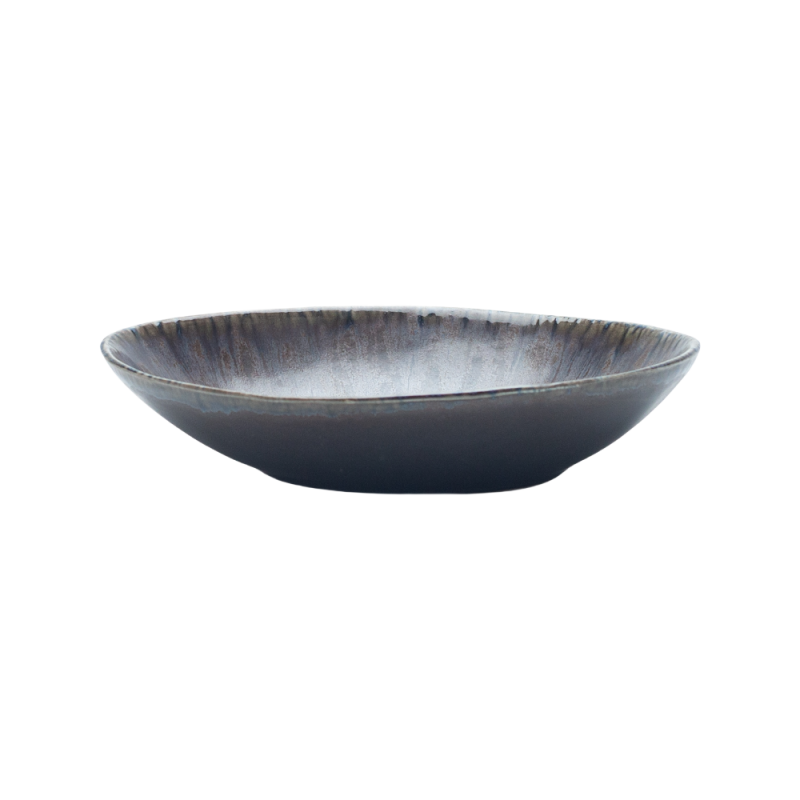
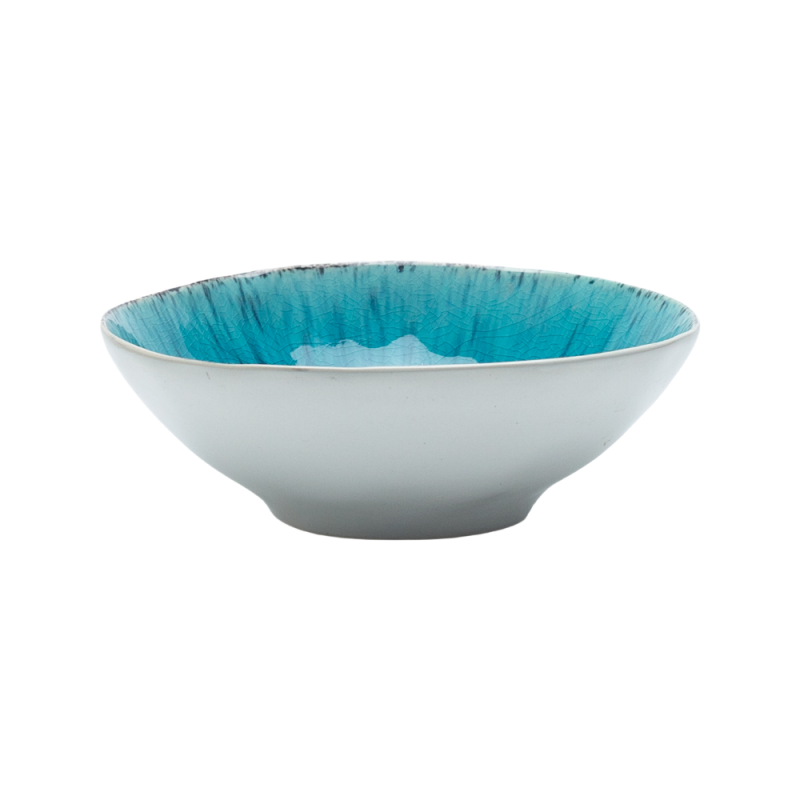
Products in this guide: Boho Style Hand-Painted Ceramic Dinnerware Set · 4-Piece Teal Blue Crystalline Glazed Stoneware Dinnerware Set
Where This Fits in the Sourcing Chain
A definition problem first: the volume, height and handle position have to be specified deliberately, and then frozen, because a brewery's reorder needs to match the previous one. The spec freeze guide explains how artwork and packing files are locked between orders. The calendar is fixed and unforgiving. The replenishment calendar maps the ordering windows for the whole year. The full chain follows the standard sourcing map. See the full ceramic sourcing process map.
The Product, Specified
Four parameters define the category. Capacity: half a litre (500 ml) is the standard European serving and the reference point for most buyers; a one-litre version exists and sells to festivals and gift retail rather than to breweries. Wall thickness and weight: a beer vessel should feel substantial, and the thickness matters for how long the drink stays cold. Handle geometry: the handle has to accommodate a full hand and, for steins, is frequently the visual centre of the design. Rim and interior: a smooth, generous rim with no narrowing, because the drink is served in volume.
To these add the surface decisions: a matte or stoneware finish for a traditional stein look, a glazed interior for hygiene and cleanability, and a lightweight version where the buyer is shipping by post or where weight drives cost.
Who Buys
Breweries and beer brands, who buy branded vessels as merchandise and as taproom retail — the most repeatable segment, and the one where the design is a logo rather than an illustration. Festival and event retail, which buys to a fixed date with a themed design. Barware and home retail, which buys the classic stein form for the gift market. Corporate and promotional buyers, who are usually looking for a branded glass-tankard for a specific event.
One caution to raise early: where a brewery name or a protected festival mark is involved, permission is the buyer's responsibility and must exist before production. Printing a mark on request is printing a problem.
Design Language
Traditional steins carry crests, wheat, hops, oak leaves and architectural motifs, often in relief, with a lid where the destination market expects one. Contemporary brewery merchandise is the opposite: a single clean mark on a plain body, in the brand's colour. Both sell, to different buyers, and a supplier who can produce both from one body has a range rather than a product. Regional signals matter: the Bavarian blue-and-white lozenge and the wheat-and-hops palette read as authentic in Europe, and mean far less in North America, where the association is with craft brewing rather than with a region.
The Ordering Window
Oktoberfest and the autumn beer season run from mid-September into early October. Working back: shelf or taproom by early September, transit and clearance four to six weeks, production four to six weeks, sampling and approval three weeks. The order belongs in May to early June, which places it after the spring programmes and before the Christmas capacity crunch — a genuinely convenient slot in the production year. The replenishment calendar maps the ordering windows for the whole year.
The Habit That Ties It Together
The habit is to treat beer vessels as their own category rather than as a large mug, and to book the season early because it sits in a comfortable gap that fills quickly. Programs that do this keep a repeatable annual line with buyers who reorder without renegotiating.
Related Products
Explore products featured in this guide:
Have questions? See our Sizes & Finishes FAQ and Ordering & Certifications FAQ.
Need a custom quote? Send an inquiry or browse our full product catalog.