
Batch-to-Batch Colour Consistency: Keeping Mug Two Identical to Mug One
The Problem: The Second Batch Is the Real Test
The first order is judged on its own. The second order is judged against the first — on a shelf, next to each other, in front of the buyer's own customer. Colour drift is therefore not a technical detail; it is the single most common reason a repeat programme loses its consistency, and the reason a retailer starts asking why one delivery does not match the last.
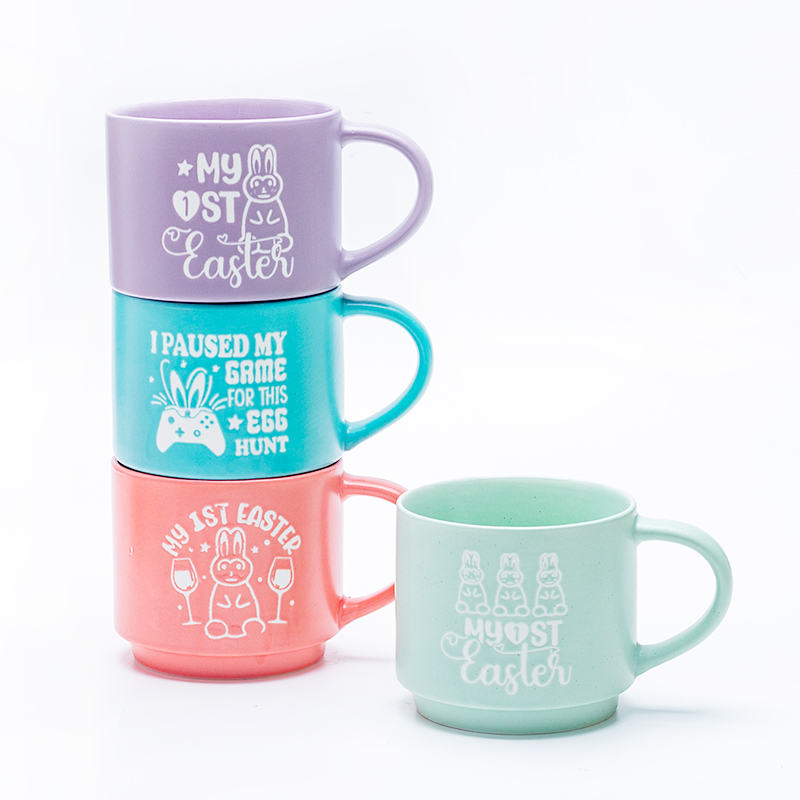
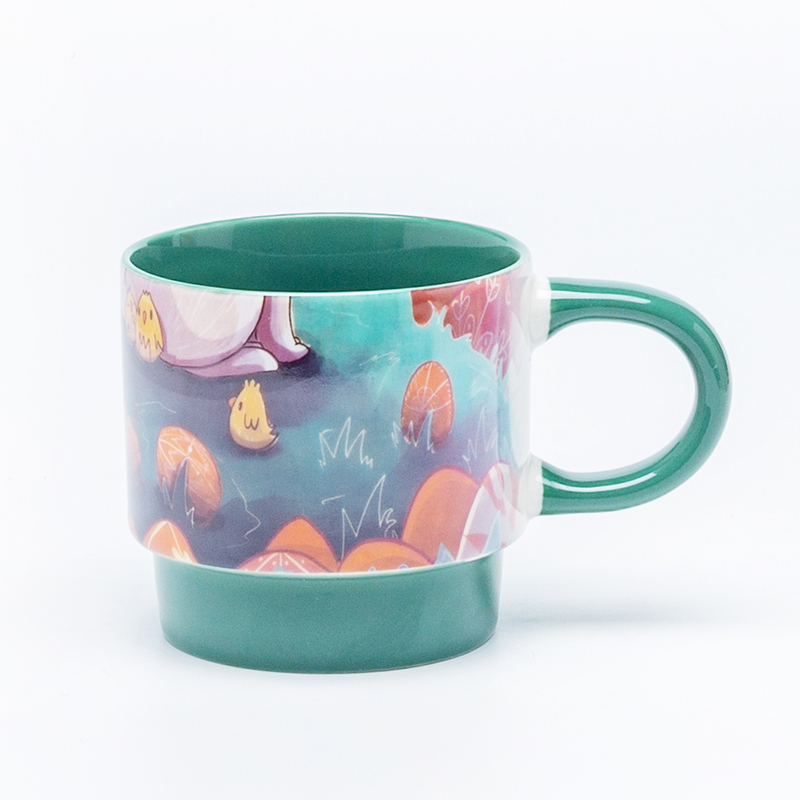
Products in this guide: Debossed Logo Easter Solid Color Stackable Ceramic Mugs - Stackable Design · Ceramic Decal Printed Easter Stacking Cup Set - Multicolor Stacking Mugs Set
The useful news is that colour drift is largely a specification and lot-control question, not a matter of chance.
Why Colour Moves
Four variables explain most of it.
The glaze batch. Glaze is mixed from raw materials whose composition varies slightly between deliveries. A different glaze lot can shift the fired colour even when the recipe is identical.
The firing curve. Peak temperature, soak time and kiln position all influence how the glaze melts. Ten degrees of peak difference, or a different position in the kiln, is visible on a large flat surface.
The decoration ink lot. For printed colour, ink batches differ, and the printed film thickness — which is set by the operator and the screen or plate — changes how the ink fires out.
Application thickness. A glaze applied slightly thicker fires slightly deeper in tone. This is why two factories making the same recipe produce different colour, and why one factory can drift if the application method changes.
Where the Tolerance Belongs
A colour specification should state how much movement is acceptable, not just the target. In practice that means:
- A numerical tolerance where the channel can support one (a colour difference value against a reference, measured on a stated instrument).
- A visual standard for the channels that cannot: a master sample, viewed under a stated light, that defines the acceptable band.
- A rejection rule: what happens to a batch that falls outside the band — rework, colour-sorting, or disclosure with a discount.
Writing the tolerance is what converts "it looks different" into a decision both sides can act on.
The Practices That Actually Hold Colour
A retained, sealed standard. The approved sample should be sealed, dated, signed and held by the factory, and referenced in every subsequent order. Without a retained standard, "match the last batch" means matching someone's memory.
Lot control on the glaze. Where a repeat programme matters, the buyer can request that the glaze lot is reserved or recorded for their orders, and that the decoration ink lot is recorded on the batch record. This is a small ask with a large effect.
A production window. Reordering "whenever stock runs low" spreads production across many glaze lots. Grouping repeat orders into planned windows — even two or three per year — reduces the number of batches that have to match each other.
Batch records kept. The firing curve, glaze lot and ink lot for each batch should be recorded and retained, so that when a difference appears, it can be traced to a variable rather than argued about.
For the wider set of decisions a mug programme involves, see <a href="https://www.storiwareceramicmugs.com/oid1757203/The-Custom-Mug-Programme-Buyer-Guides-by-Decision.htm">the custom mug programme guides</a>. Our <a href="https://www.storiwareceramicmugs.com/products2147420/Custom-Ceramic-Mugs-Cups.htm">ceramic mugs and cups</a> range is quoted with a retained standard sample, and the <a href="https://www.storiwareceramicmugs.com/oid1756307/Custom-Ceramic-Mugs-Bulk-Order-Factory-Direct-from-China.htm">bulk order programme</a> explains how sampling and production fit together. To set a tolerance for a specific colour, <a href="/contact-us.htm">send the reference and the channel</a>.
The spec freeze guide explains how artwork and packing files are locked between orders.
What to Put in the Order
- A sealed, dated master sample, held by the factory.
- A stated tolerance band and the method used to judge it.
- Glaze and ink lot records attached to each batch.
- Planned reorder windows, rather than ad-hoc reorders.
- A written rejection rule for out-of-band colour.
- Batch records retained for the life of the programme.
The packaging guide explains how retail-ready and protective layers are specified together.
The Habit That Ties It Together
The habit is to treat colour as a controlled variable rather than a hope: a sealed standard, a stated tolerance, recorded lots — and a reorder plan that keeps the number of batches small.
Related Products
Explore products featured in this guide:
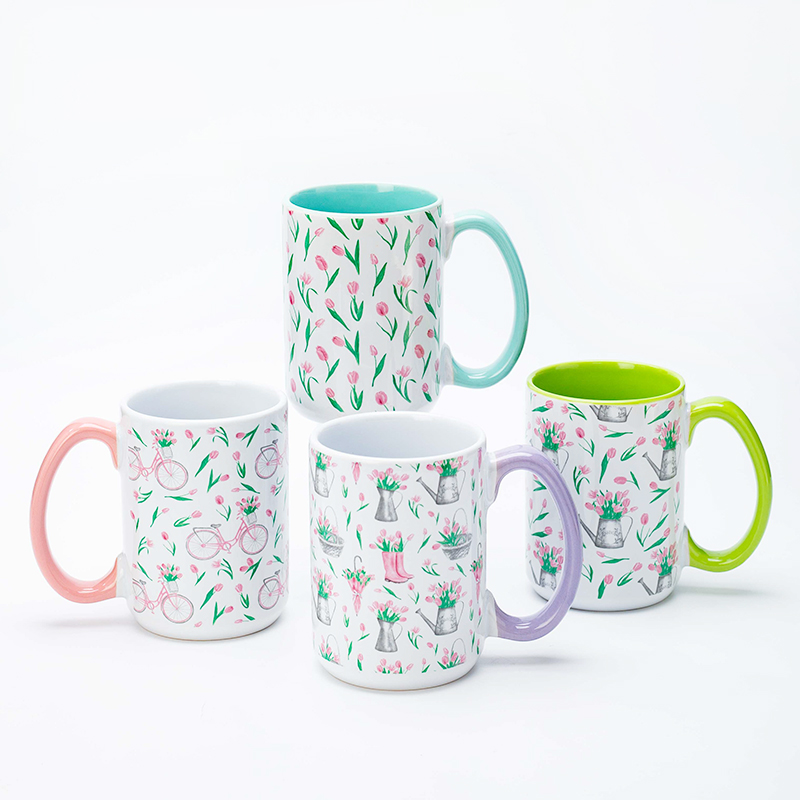
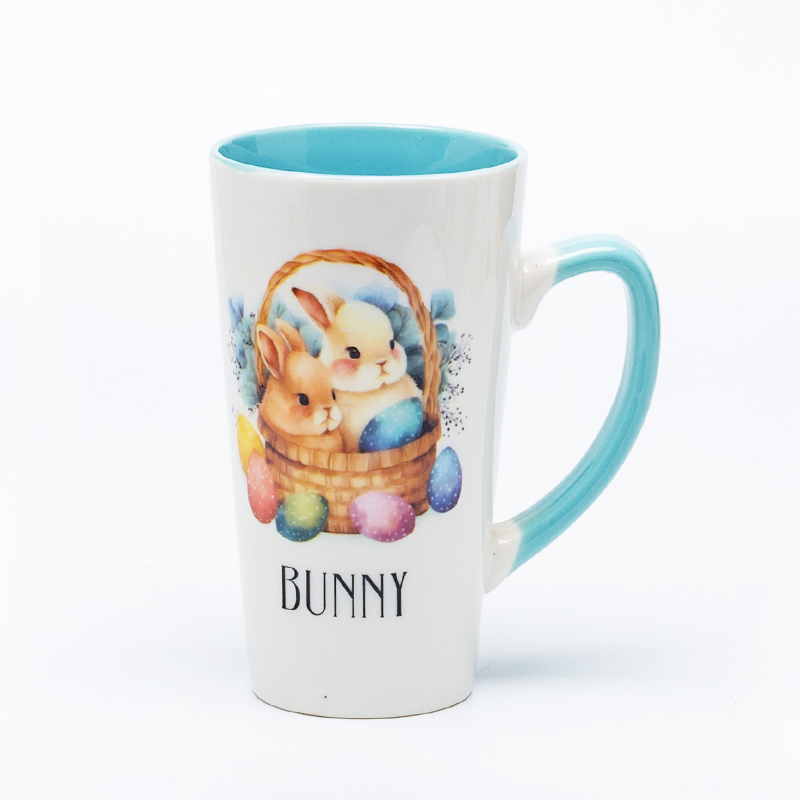
Have questions? See our Sizes & Finishes FAQ and Ordering & Certifications FAQ.
Need a custom quote? Send an inquiry or browse our full product catalog.

