Bakery and Dessert Channels: Where the Cup Is Part of the Display
The Problem: Buying for a Display Case
A coffee shop buys a cup for the customer; a bakery or dessert shop buys a cup that will sit in a case, sometimes with contents, for hours. The buying logic is therefore closer to retail than to catering: the piece has to look right empty, from the outside, and in a row of the same item — three conditions that a standard cafe cup does not need to satisfy. The channel also runs on thin margins and high staff turnover, which makes breakage the cost that matters most after the first year.
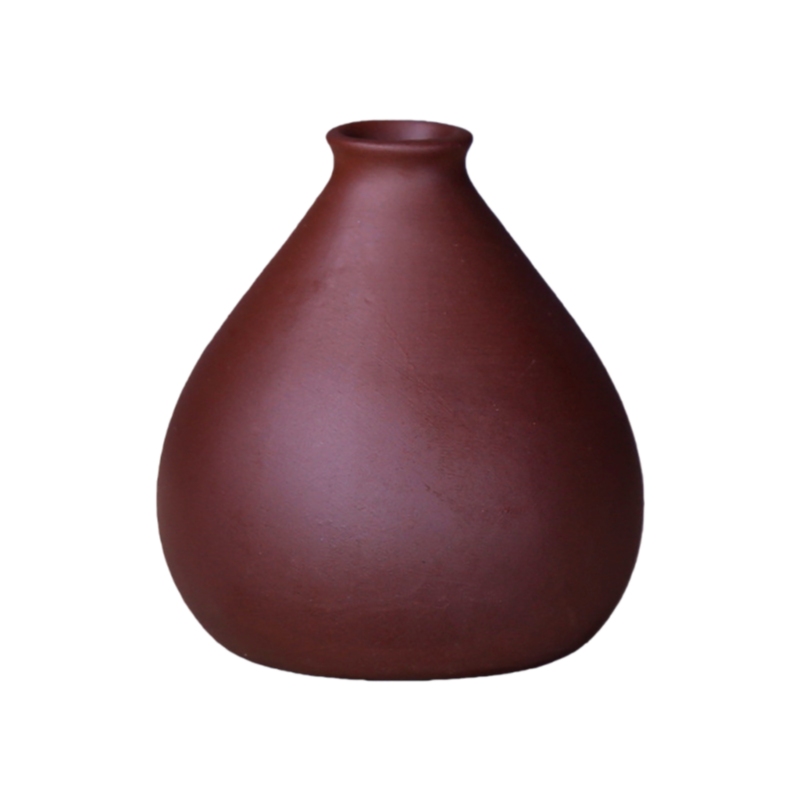
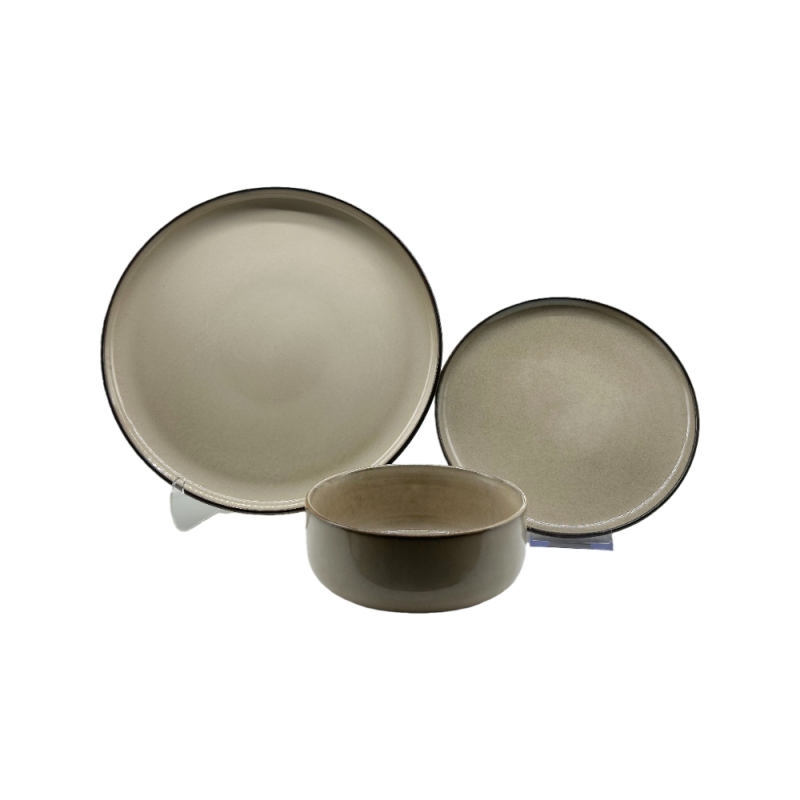
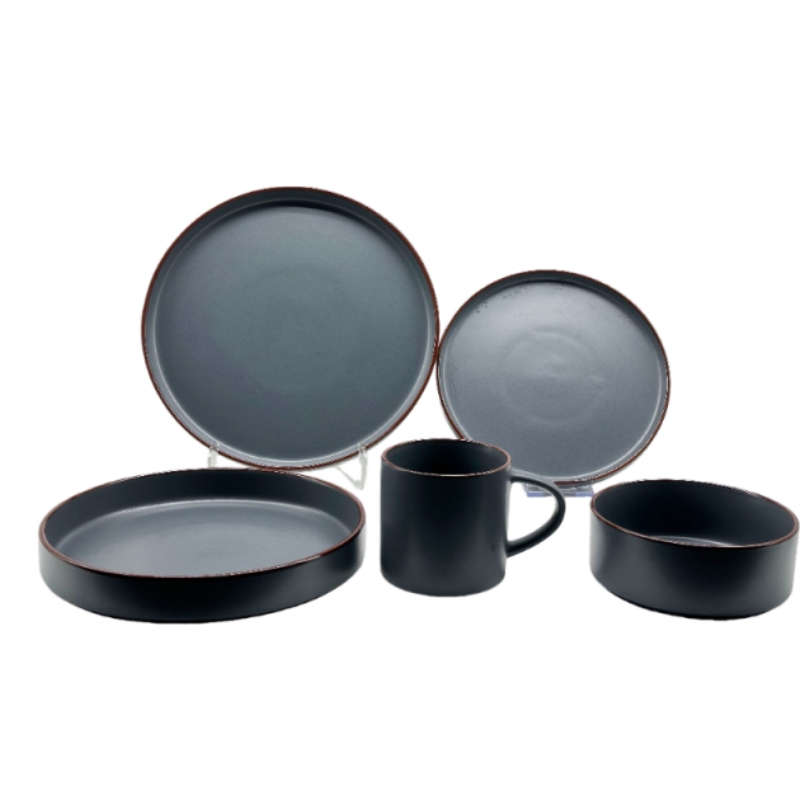
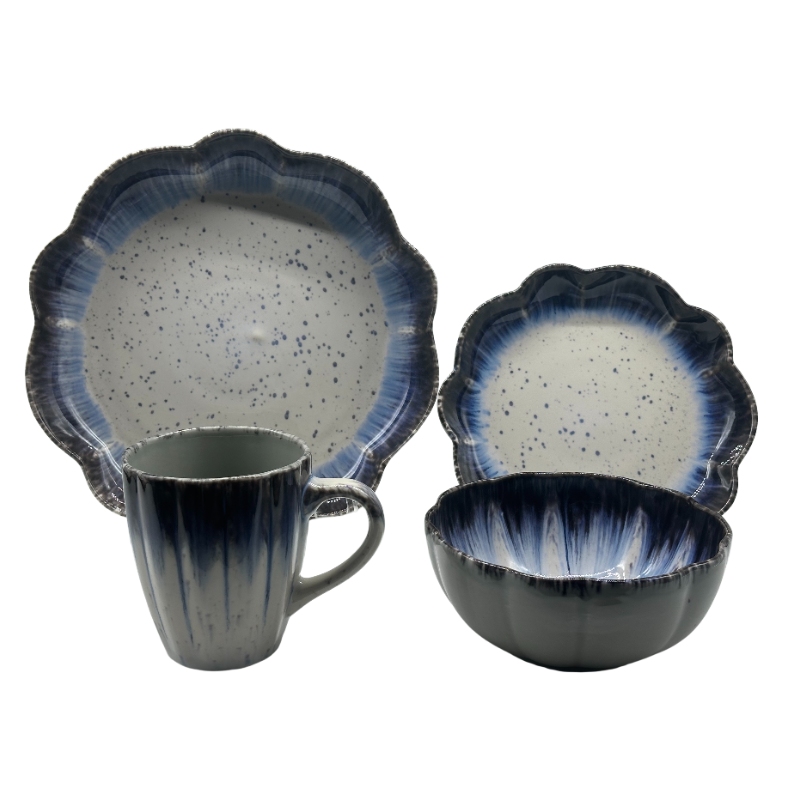
Products in this guide: Mini Matte Ceramic Bud Vase Set – Modern Decorative Colorful Vases for Home & Office · 3-Piece Reactive Glaze Stoneware Dinner Set – Modern Ceramic Tableware for Everyday Dining
Three Specifications That Change
Decorated for the outside. Two-sided decoration is the bakery norm: the print has to read when the piece is on a shelf, at a slight angle, next to its neighbours. That is a different design constraint from a logo mug, where the print faces the user. Fired decoration in a pattern, or a coloured body with a single printed band, usually reads better in a row than a large central print.
Stacking on a counter, not in a cupboard. Display runs out of space first. Pieces need a defined nesting height and a stable stack, and where the shop displays cups on a saucer, the saucer has to be part of the design rather than an add-on. A staff member who cannot stack a piece safely will put it somewhere it breaks.
Handle and rim for standing. A cup that stays on a shelf is judged on sight, but it is picked up, carried and set down constantly. A rim with a generous lip and a handle that clears adult fingers are the two specifications that decide whether the piece feels cheap; both are cheap to fix at the mould stage and impossible to fix afterwards.
The Breakage Arithmetic
Two numbers decide whether a tableware programme in this channel pays for itself: the breakage rate per month and the replacement piece price. A shop replacing six pieces a month per site across a chain of twenty sites replaced 1,440 pieces a year, and the difference between a piece that lasts two years and one that lasts one is the difference between one replacement cycle and two. This is why the channel responds well to two arguments — a slightly heavier body that survives a counter fall, and a replacement logic that allows single-piece reorder from the same body and glaze.
Chain Consistency
A bakery chain buys in volume and then reorders piece by piece as shops break stock. Three specification items make that workable: the items are named and numbered in the artwork and the packing list, the glaze family is fixed so a piece bought in month one matches a piece bought in month eighteen, and the decoration is fired rather than surface-printed, because a chain will wear a print out before it wears the cup out.
Questions to Ask a Supplier
- How does this decoration look in a row, from a shelf angle, not in a single product photograph?
- What is the nesting height and the stable stack for this piece?
- What is the fired weight, and what drop test has it survived?
- Can single pieces be reordered from the same body and glaze eighteen months later?
- Is the decoration fired or surface-printed, and how many dishwasher cycles is it tested for?
The spec freeze guide explains how artwork and packing files are locked between orders.
What to Put in the Order
- The decoration method and the three-quarter view that the shop will actually see.
- A nesting height and a maximum stack.
- A defined drop test on the specific piece.
- A single-piece reorder clause, with the body and glaze named.
- Retained standards per batch, so a later shipment can be checked rather than judged.
The packaging guide explains how retail-ready and protective layers are specified together.
The Habit That Ties It Together
The habit is to buy the piece for the display case and the counter, not for the photograph. Programmes that do this end up with fewer broken pieces, fewer replacement orders, and a shelf that still looks intentional in month eighteen.
Related Products
Explore products featured in this guide:
Have questions? See our Sizes & Finishes FAQ and Ordering & Certifications FAQ.
Need a custom quote? Send an inquiry or browse our full product catalog.