
B2B Payment Fraud Protection: The Scams Targeting Ceramic Buyers
Where the Money Goes Wrong
Fraud in ceramic sourcing is not about the product - it is about the payment and the paperwork around it. The scams are predictable, they target the gaps between trust and verification, and they cost buyers the deposit, the order or the entire shipment. This guide maps the four patterns that matter - the fake bank slip, the phishing email, the middleman scam and the inspection-fraud pattern - and the verification checklist that closes each gap.
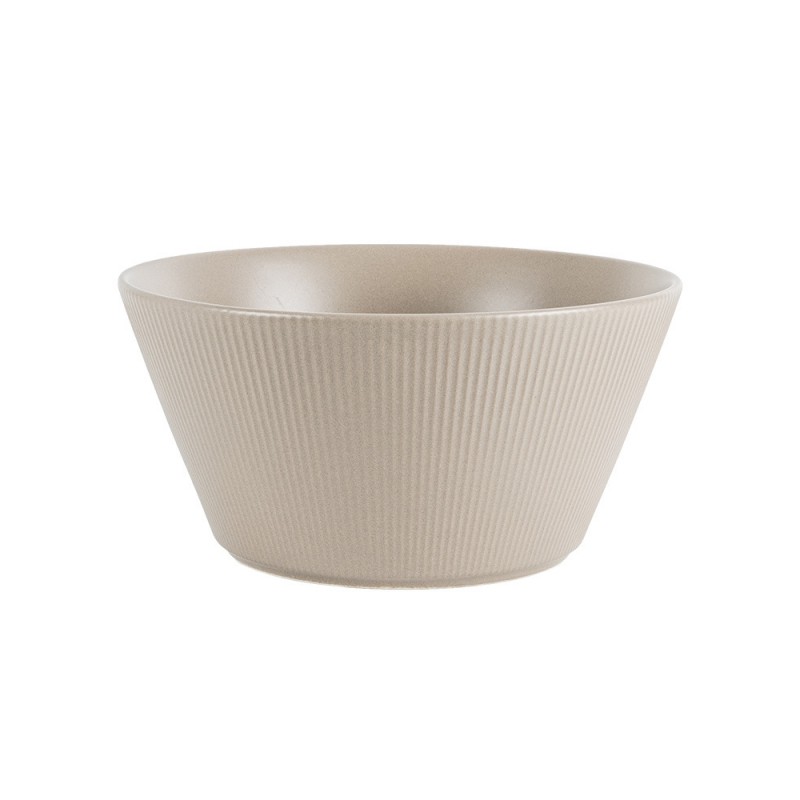
Products in this guide: Ceramic Baking Bowl · Ceramic Soup Bowl
The Fake Bank Slip
The most common pattern: the supplier sends a scanned bank slip showing a deposit that never arrived. The slip is a picture, not money - a copied or edited document can look exactly like a real transfer. The rule: nothing ships on a scanned slip; the money clears in your account first. Verify the deposit inside your own banking system before releasing any documents, and treat any pressure to ship on the strength of a screenshot as a warning sign. If the slip is genuine, the funds arrive within the normal window; if it is not, the slip is all you will ever see.
The Phishing Email
The second pattern targets the payment itself: a message that appears to come from your supplier - the same signature, the same logo - announces a new bank account and asks you to route the next payment there. The account belongs to the fraudster. The rule: bank-account changes are confirmed by a voice call to a number you already have, never by the email that announces the change. Call the supplier on the phone, confirm the change in writing, and check every payment detail against the confirmed record. One call costs two minutes; one misrouted payment can cost the whole order.
The Middleman Scam
The third pattern inserts a fake intermediary into a deal you thought was direct: a broker offers a better price on the product you are already buying, collects the deposit, and disappears - or a supplier you found online turns out to be a reseller who never sees your order. The rule: verify the supplier before the first payment - a real manufacturer can show you the factory, the production line and the documents (see our factory-audit and new-factory guides for the verification steps), and a real deal keeps the buyer and the factory talking directly. The deposit is where the scam lives: the standard deposit is a percentage, and the standard protection is verification before it leaves your account.
The Inspection-Fraud Pattern
The fourth pattern plays on the inspection step: a buyer is told the goods failed inspection and must be shipped anyway, or a fake inspection certificate is used to release goods that never met the spec (see our third-party-inspection guide for the honest version). The rule: inspection results come from the independent inspector, not from the supplier; a failed batch is reworked or rejected on the record, and the certificate is verified with the inspection company directly. The buyers who verify the checkpoints - the bank slip, the account change, the supplier identity, the inspection result - are the buyers who never learn these lessons the expensive way.
"Secure Sourcing Ceramic Products"
Explore products featured in this guide:

Have questions? See our Sizes & Finishes FAQ and Ordering & Certifications FAQ.
Need a custom quote? Send an inquiry or browse our full product catalog.