B-Grade Ceramic Buying: Grading Standards, Inspection Checklists and Contract Protection
The Seconds Market: A Real Channel That Runs on Trust
The B-grade ceramic market - the off-spec batches, the seconds, the factory surplus - is a real buying channel for the discount retailers, the wholesalers and the value programs, and the channel works because the pieces carry the small defects that the A-grade buyer rejects: the slight color difference, the tiny pinhole, the faint glaze imperfection, the small edge knock that does not affect the function (see our defect guide for the defect families, and our grading guide for the A-grade standards). But the channel runs on trust in the grading, because the buyer cannot see the batch before it ships, and the grading - what counts as a B, what is rejected, what the acceptable percentage is - decides whether the discounted price is a bargain or a trap (see our factory-QC guide for the inspection practice). This guide reads the seconds category through the buyer's eyes: the grading standards, the inspection checklist and the contract protection that turn a discounted batch from a gamble into a calculated buy.
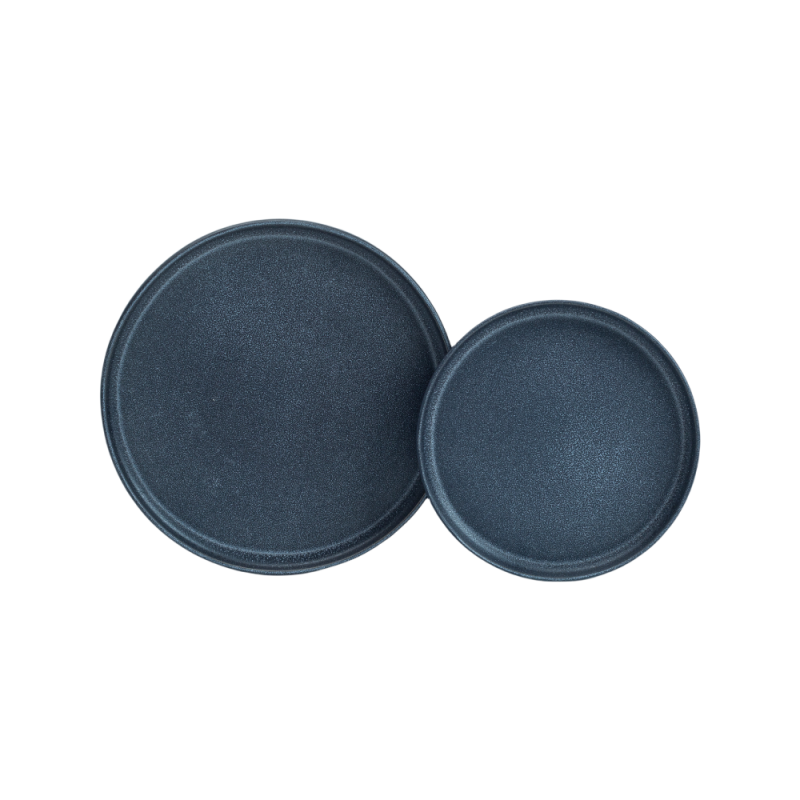
Products in this guide: Best Ceramic Dinnerware Plate · Reactive Glaze Dinner Plate
The Grading Standard: What Counts as a B
The B-grade market has no universal grading standard, and the buyer's first job is to define the standard for the specific program, because the B of one factory is the reject of another (see our grading guide for the level system). The standard has three parts. First, the defect types: which defects are acceptable in the B line - the color variation, the pinholes, the glaze imperfections, the small edge knocks - and which are not - the cracks, the warping that affects the function, the chipped rims above the food-contact line (see our defect guide for the accept-versus-reject families). Second, the degree: the acceptable defects have a degree - the pinhole under 1 mm, the color variation within the shade range, the edge knock under the stated size - and the buyer should write the degree into the standard, because the defect name without the degree is the source of the dispute (see our chain-standard guide for the tolerance practice). And third, the percentage: the B batch is a mix, not a uniform grade, and the standard should state the expected percentages - the X% of the batch in the acceptable range, the Y% of the seconds that can be sold as the value pieces, the Z% that is the true reject (see our factory-QC guide for the batch statistics). The signal: the B-grade contract should define the defect types, the degrees and the percentages in writing, and the buyer should sign the sample of the acceptable B with the factory before the order.
The Inspection Checklist: What the Buyer Checks at the Container
The B-grade buy is won or lost at the inspection, and the buyer should run the checklist at the factory and the container (see our container guide for the inspection reality). The checklist has five points. First, the sample comparison: the batch should be compared to the signed B sample - the color, the finish, the defect types - and the pieces beyond the sample range are the new rejects (see our grading guide for the match checks). Second, the percentage audit: the inspection should count the actual mix - the acceptable B, the value seconds, the rejects - against the contracted percentages, and the batch that runs heavy on the rejects should be repriced or returned (see our factory-QC guide for the counting practice). Third, the function check: the B pieces must still function - the flat plates sit flat, the mugs hold the liquid, the pieces survive the normal use - because the B grade is about the look, not the function, and the functional rejects are the true rejects (see our defect guide for the functional defects). Fourth, the packaging: the B batch often ships in the simpler packaging, and the buyer should check the packaging against the agreed spec, because the cheap packaging that damages the pieces in transit doubles the loss (see our packaging-guide for the transport protection). And fifth, the documentation: the inspection report should record the percentages, the defect photos and the reject count, because the report is the evidence for the claim (see our certification guide for the document chain).
The Contract Protection: The Terms That Save the Buyer
The B-grade purchase is the purchase where the contract matters most, because the discounted price shrinks the margin and the dispute - the batch that is worse than the standard - eats the margin twice (see our quote-reading guide for the price structure). The contract should carry four protections. First, the grade definition: the defect types, the degrees and the percentages written into the contract, with the signed B sample as the attachment (see our chain-standard guide for the standard practice). Second, the inspection rights: the buyer's right to inspect at the factory and the container, and the renegotiation terms if the batch runs heavy on the rejects (see our container guide for the inspection timing). Third, the rejection terms: the conditions for the rejection - the percentage of the true rejects above the stated limit, the functional failures, the missing samples - and the remedies, the repricing or the return (see our factory-QC guide for the dispute practice). And fourth, the disclaimer: the B-grade purchase is the accepted-defect purchase, and the contract should state that the buyer accepts the defined defects - the contract should protect the buyer from the undefined surprises, not from the defined B (see our FAQ for the legal question). The signal: the B-grade contract should be written before the order, with the grade definition, the inspection rights, the rejection terms and the disclaimer, because the seconds market rewards the buyer who defines the game before it starts.
The B-Grade Buying Checklist
The B-grade program closes with a four-point checklist. First, define the grade: the defect types, the degrees and the percentages written into the standard, and the signed B sample (see our grading guide for the level system). Second, inspect the batch: the sample comparison, the percentage audit, the function check, the packaging check and the documentation, at the factory and the container (see our container guide for the inspection reality). Third, protect the contract: the grade definition, the inspection rights, the rejection terms and the disclaimer in writing (see our chain-standard guide for the standard practice). And fourth, price the risk: the breakage, the renegotiation and the slower sell-through of the B line should be built into the price, because the B-grade bargain is only a bargain after the risk is priced (see our quote-reading guide for the cost structure, and our serving-trend guide for the value-channel logic). The buyers who run the checklist are the buyers who profit from the seconds market - because they bought the defined grade, the inspected batch and the protected contract, not the discount alone.
"B-Grade Ready Ceramic Lines"
Explore products featured in this guide:

Have questions? See our Sizes & Finishes FAQ and Ordering & Certifications FAQ.
Need a custom quote? Send an inquiry or browse our full product catalog.