Appliance-Safe Ceramics: How Big Buyers Verify Microwave, Dishwasher and Oven Safety
The Most Used, Least Verified Claim in Ceramic Buying
The retail ceramic market runs on three labels - microwave-safe, dishwasher-safe and oven-safe - and the labels are the most used and least verified claims in the category. The buyer who sells to the retail market inherits the claim: the consumer puts the mug in the microwave, the plate in the dishwasher and the casserole in the oven, and when the piece fails - the crack in the microwave, the crazed glaze after the wash, the thermal break in the oven - the consumer blames the product, and the retailer blames the buyer (see our safety guide for the food-contact side, and our defect guide for the crack and the crazing families). The failure is rarely the factory's malice; it is the gap between the loose label and the tested reality. This guide shows the buyer how to verify the three claims at the sample stage: the thermal-shock test, the crazing check and the metallic-decoration rule - so the retail claim survives the consumer's machine.
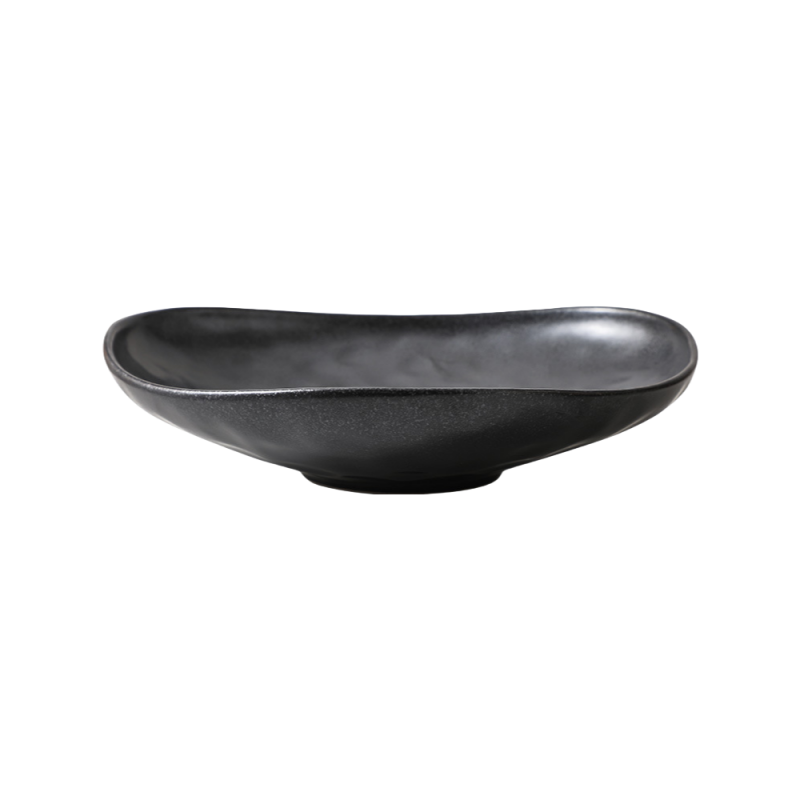
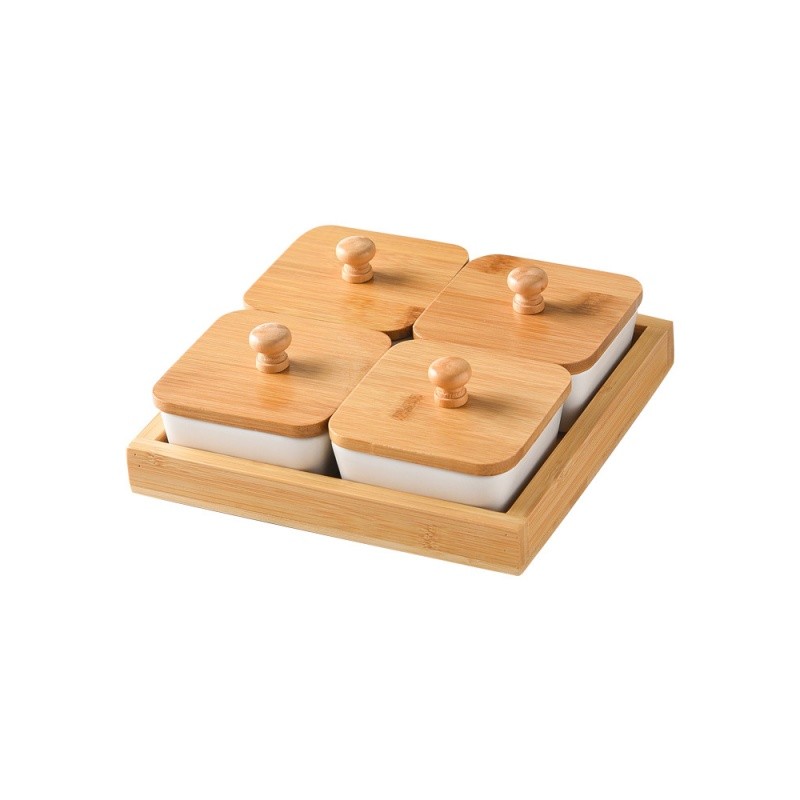
Products in this guide: Custom Ceramic Salad Plate Lead-Free · 4-Piece Snack Bowl Set
The Microwave Check: The Crazing and the Metal
The microwave-safe claim has two verification points. The first is the glaze: the microwave heats the food, the food heats the glaze, and the glaze that is not matched to the body develops the crazing - the network of fine cracks that starts invisible and grows with every cycle, trapping the food residue and aging the piece fast (see our glaze-science guide for the glaze-body match, and our defect guide for the crazing family). The second is the decoration: the metallic decorations - the gold, the silver, the metallic rims and the metallic overglaze - are not microwave-safe, because the metal concentrates the microwave energy and sparks; the microwave-safe line must be specified with the no-metallic-decoration rule, and the buyer should check the decorative line on the sample, because the metallic gold band that looks premium on the shelf is the spark risk in the machine (see our certification guide for the declared decoration). The signal: the microwave-safe claim should be verified by the glaze test (the repeated heating cycle on the sample) and the decoration rule (no metal in the microwave-safe line), and the buyer should ask the factory for the test record, not for the label.
The Dishwasher Check: The Glaze Wear and the Thermal Cycle
The dishwasher-safe claim is the second verification, and it is the one that fails most often in the service, because the dishwasher combines the heat, the detergent, the water pressure and the piece-to-piece impact in one cycle (see our factory-QC guide for the test conditions). The verification has three points. First, the glaze hardness: the soft glaze wears in the dishwasher, and the surface shows the gray scratches and the dulling that age the line in months (see our glaze-science guide for the glaze hardness, and our defect guide for the surface wear). Second, the thermal cycle: the dishwasher heats and cools the piece in the rapid cycle, and the piece with the weak body or the mismatched glaze develops the cracks and the crazing from the repeated thermal change (see our clay-science guide for the body behavior). And third, the decoration stability: the overglaze decorations and the decals wear, fade or lift in the dishwasher, and the dishwasher-safe claim depends on the decoration's durability as much as the glaze's (see our color-control guide for the decoration stability). The signal: the buyer should ask for the dishwasher test record - the repeated wash cycles with the detergent, not the single rinse - and should specify the dishwasher-safe line with the hard glaze and the durable decoration.
The Oven Check: The Thermal Shock and the Ceiling
The oven-safe claim is the third verification, and it is the strictest, because the oven is the harshest environment in the kitchen: the air heat, the direct flame in the grill mode, and the rapid temperature change when the hot piece meets the cold counter or the wet towel (see our bakeware guide for the oven environment). The verification has two points. First, the thermal shock: the oven-safe piece must survive the temperature difference between the hot oven and the cold surface, and the factory tests the thermal shock by the controlled heating and quenching - the piece heated to the temperature and quenched in the water, with the accepted limit written in the standard (see our chain-standard guide for the thermal-shock test). Second, the temperature ceiling: the oven-safe claim has a number - the maximum temperature the piece takes (often 200-260°C for the stoneware and the porcelain) - and the buyer should ask for the ceiling, because the "oven-safe" label without the number leaves the consumer guessing, and the guess is where the break happens (see our bakeware guide for the heat-rating numbers). The signal: the oven-safe line should carry the tested thermal-shock figure and the maximum temperature in the spec, and the buyer should check the two numbers against the kitchen reality of the consumer market the line sells to.
The Appliance-Safe Buying Checklist
The appliance-safe line closes with a four-point checklist. First, the microwave: the glaze test by the repeated heating cycle, and the no-metallic-decoration rule across the line (see our defect guide for the crazing check). Second, the dishwasher: the glaze hardness, the thermal-cycle stability and the decoration durability, verified by the wash-cycle test record (see our factory-QC guide for the test records). Third, the oven: the thermal-shock figure and the maximum temperature written in the spec, not the loose label (see our chain-standard guide for the test standard). And fourth, the claim copy: the retail claim - the microwave-safe, dishwasher-safe and oven-safe labels - should be matched to the tested reality, and the buyer should keep the factory's test records as the evidence behind the retail claim, because the consumer complaint travels back to the buyer, not to the factory (see our certification guide for the document chain, and our container guide for the shipping reality). The buyers who verify the three claims at the sample stage are the buyers whose retail lines survive the consumer's machine - because they sold the tested product, not the printed label.
"Appliance-Safe Ceramic Tableware"
Explore products featured in this guide:
Have questions? See our Sizes & Finishes FAQ and Ordering & Certifications FAQ.
Need a custom quote? Send an inquiry or browse our full product catalog.