Air or Sea: How to Decide When Ceramics Have to Move
The Problem: A Decision Usually Made in a Panic
Shipping mode is often decided at the worst possible moment — when a delivery is late and someone has to choose between missing a shelf date and paying for air. That framing produces expensive decisions and hides the fact that mode should be chosen when the order is placed, not when it is finished. Ceramic makes the arithmetic unusually stark: it is heavy relative to its value, so air freight is rarely a small premium. It is a large one, and it is only justified by a specific, identified consequence.
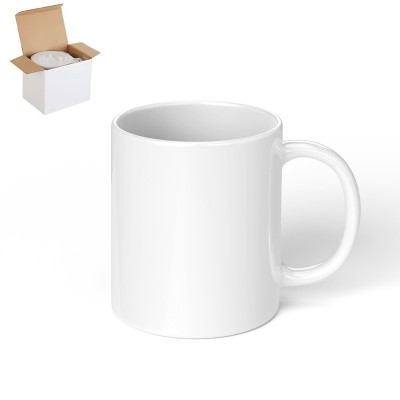
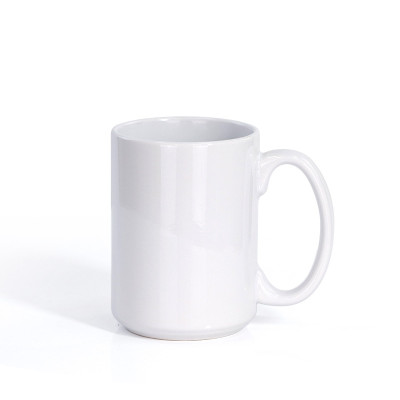
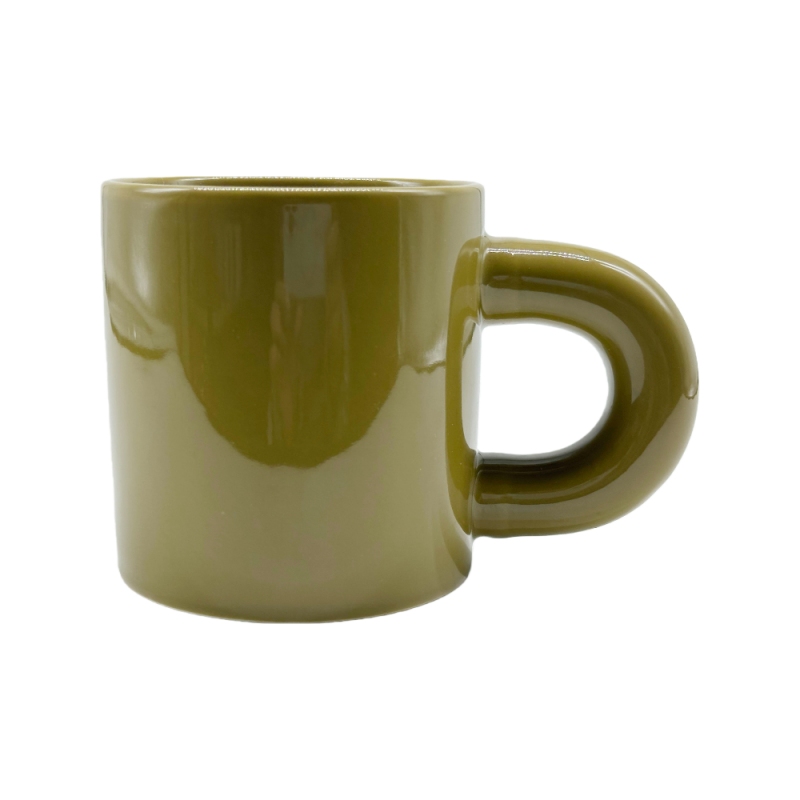
Products in this guide: Reactive Glaze Ceramic Flower Vase – Modern Handmade Home Décor Vase · 650ml Large Ceramic Coffee Mug
Where This Fits in the Sourcing Chain
Mode selection belongs in the calendar, not in the logistics department: it is the figure that determines how far ahead the order has to be placed. The replenishment calendar maps the ordering windows for the whole year. Where the choice changes packaging — a stronger carton for a rough sea transit, a different pack for air pallets — it belongs in the specification. The packaging guide explains how retail-ready and protective layers are specified together. The full chain follows the standard sourcing map. See the full ceramic sourcing process map.
The Four Costs That Actually Decide It
Freight cost. Air is priced on chargeable weight, and ceramics are dense; the ratio between air and sea is therefore large and predictable. This is the figure to quote before any urgency argument begins.
Inventory carrying cost. Sea freight buys you time in transit — but it also means paying for stock earlier. Where the goods are seasonal, early payment is not a cost; where they are for immediate sale, it is.
The cost of a missed date. A shelf date, a festival, a contracted delivery window: these have a real penalty, and that penalty is the only honest justification for air. Where the date matters, quantify it; where it does not, air freight is usually a preference rather than a necessity.
Damage exposure. Sea freight involves more handling and more time in humid conditions; air involves less of both. Where a product is fragile or where the destination is a humid market, this tips the balance slightly towards air — but only slightly, and it is not usually decisive on its own.
The Structures That Work Better Than an Either/Or
Partial air. Send the hero items — the ones the customer needs to start selling, or the samples the marketing team needs — by air, and the balance by sea. It is the most common commercial compromise and it usually satisfies both the date and the budget.
Sea plus a small buffer by air. The same logic applied in advance: plan the sea shipment, then reserve a modest air allowance for the gap between the estimated and actual arrival.
Air for the first order, sea for the repeats. A first order has a date attached to a launch; a repeat has a rhythm. This structure keeps the expensive mode where it buys the most.
What to Calculate Before Choosing
Four figures, in this order: the landed cost per piece by sea and by air, so the difference is a number rather than a feeling; the date the goods must be on shelf, working backwards through clearance and inland transport; the penalty for missing that date in money or in relationship terms; and the order lead time available, because an order placed late has already chosen air whether or not anyone said so.
The Honest Position for a Supplier
A supplier should be willing to state the two figures plainly and let the buyer choose, because the buyer owns the consequence. What a supplier should not do is quietly absorb the difference, or assume that a rush is genuine. The useful question to ask is short: what happens if these arrive three weeks later? If the answer is a real cost, air is a business decision. If the answer is a preference, sea freight is the decision — and the money is better spent on the product.
The Habit That Ties It Together
The habit is to decide the mode when the order is written, not when it is late. Programs that do this treat air freight as a tool rather than an emergency, and use it only where it changes an outcome.
Related Products
Explore products featured in this guide:


Have questions? See our Sizes & Finishes FAQ and Ordering & Certifications FAQ.
Need a custom quote? Send an inquiry or browse our full product catalog.