Africa and Latin America: The Emerging Ceramic Mug Markets Worth the Detour
The Markets Everyone Skips — and Why That Is the Opportunity
Every exporter chases the EU, the US and the Gulf. Meanwhile, Africa and Latin America import ceramics at volumes that most suppliers ignore — not because the demand is absent, but because the markets look harder: fragmented buyers, payment risk, slower logistics. For suppliers willing to do the extra work, that aversion is the opportunity. Nigeria, Kenya, Brazil and Mexico are the four entry points worth understanding, each with a different shape and a different route in.
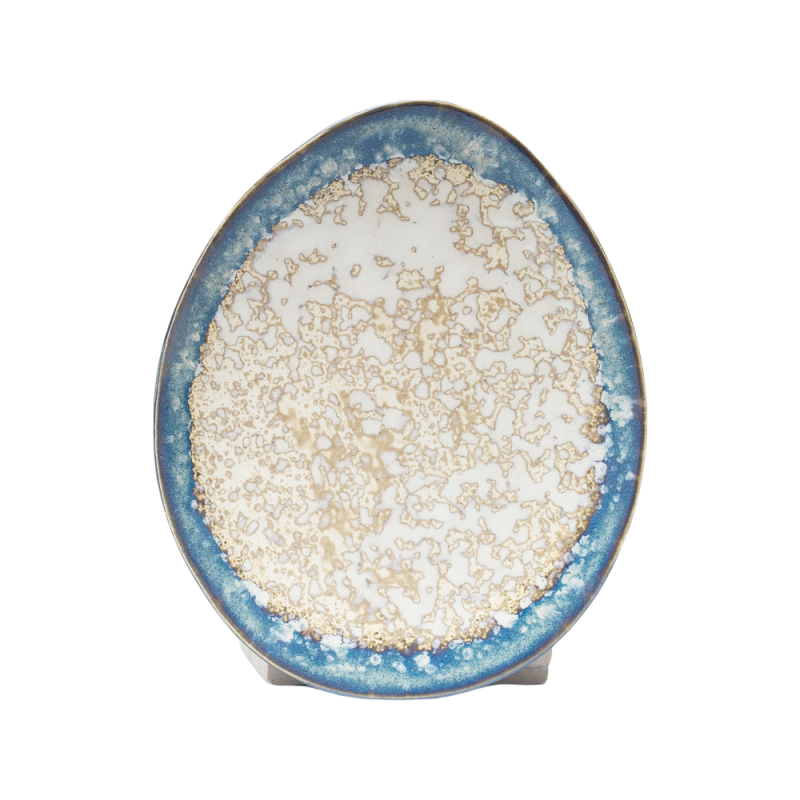
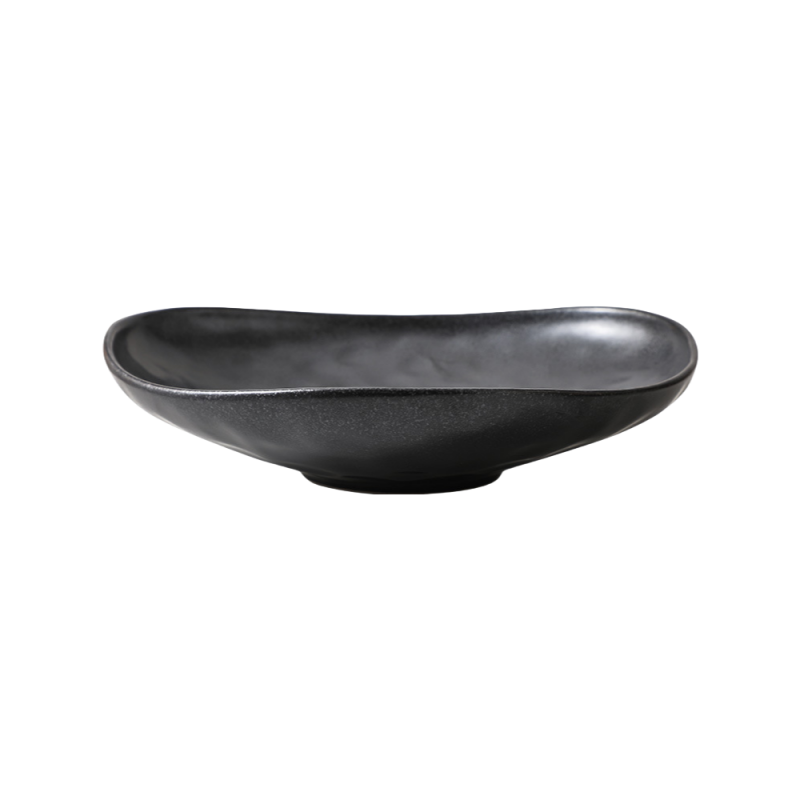
Products in this guide: Ceramic Salad Plates · Custom Ceramic Dinnerware Salad Plate
This guide maps the four markets, the products that fit them, and the entry strategy that avoids the classic emerging-market traps.
The Four Entry Markets
Nigeria — the volume prize with the hardest logistics. Nigeria is Africa's largest economy and its ceramics demand is real: hotels, F&B, retail and the enormous consumer market. The catch is logistics and payment. Freight to Lagos is expensive and slow, customs is unpredictable, and buyer creditworthiness varies widely. The practical route: work through established Lagos-based importers with a track record, use confirmed payment methods (LC or partial advance), and quote with realistic landed-cost math including customs friction.
Kenya — the East African hub with simpler rules. Kenya's port of Mombasa serves a regional market (Kenya, Uganda, Tanzania, Rwanda), and its import rules and payment environment are more predictable than Nigeria's. Nairobi's hospitality sector and growing retail chains buy tableware in steady volume. Kenya is the easier East African entry: clearer customs, more structured importers, and a functioning banking route for payments.
Brazil — the volume market with the tariff wall. Brazil's market is huge and price-sensitive, with a strong domestic ceramics industry — which means high import tariffs on tableware. The route that works: focus on products the domestic industry under-supplies (specific sizes, decorated programs, hotel-spec lines), work with importers who handle the tariff structure, and price against the local product, not against Chinese domestic prices.
Mexico — the near-shoring winner. Mexico's proximity to the US and its own large market make it a stable, growing buyer of imported ceramics — the same products that serve US retail often suit Mexico. Import duties are moderate, distribution is structured, and Mexican importers are accustomed to sourcing from Asia. It is the lowest-risk of the four: the market that behaves most like a developed market with better margins.
What Products Fit Emerging Markets
Durability over decoration. Emerging-market buyers prioritize toughness: chip-resistant stoneware, thick walls, dishwasher-safe glazes. The retail price is the constraint, so the winning products are value-engineered — solid construction at a competitive price point, not premium decoration.
Hotel and F&B specs. Across all four markets, the hospitality sector buys in volume and needs consistent, replaceable serviceware. Hotel-spec mugs, plates and bowls that match international standards find buyers in Lagos, Nairobi, São Paulo and Mexico City alike.
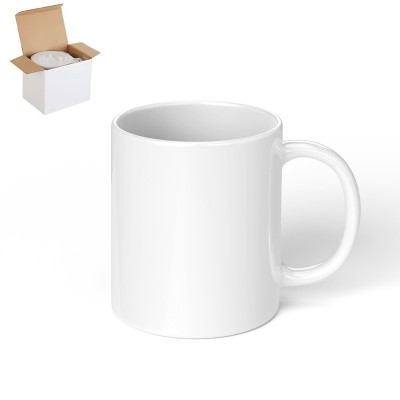
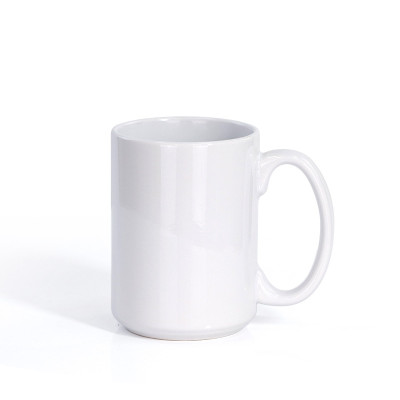
The sizes that sell. Standard 11oz/12oz mugs lead everywhere; larger formats follow in hotel and café channels. Color options matter — earthy and white lead in most markets, with regional preferences (bright colors in parts of West Africa, classic white in corporate Brazil).
The Classic Traps and How to Avoid Them
Unconfirmed payment. The single biggest emerging-market risk. Use LC or a confirmed payment structure for new buyers; build trust toward open-account terms only after a history. A buyer who resists any confirmed payment method is a warning sign.
Underpriced landed cost. Freight, customs, port fees and informal costs can add 30-50% to a quoted FOB price by the time goods arrive. Quote with the full landed-cost picture, or the margin disappears and the buyer blames the supplier for a "too expensive" price.
Over-engineering the market entry. Do not open offices or hire agents on day one. Enter through one established importer per market, prove the product moves, then expand. The markets reward patience and punish overcommitment.
The Entry Strategy: One Market at a Time
Start with Mexico or Kenya. Both offer predictable customs, structured importers and workable payments — the two easiest places to prove the product and the process. Mexico is the lowest-risk first step; Kenya is the East African proof point.
Then Nigeria for volume, Brazil for the long game. Nigeria rewards the supplier who has solved logistics and payment; Brazil rewards the supplier who found the tariff workaround and the under-supplied niche.
Document everything. Certificates of origin, packing lists, and compliance documents matter more in emerging markets because customs friction is higher. A documentation error that costs a week in Rotterdam costs a month in Lagos.
The Emerging-Market Checklist
- Pick one entry market (start with Mexico or Kenya).
- Qualify one established importer with a track record.
- Use confirmed payment methods for the first orders.
- Quote full landed cost, including customs friction.
- Lead with durable, value-engineered products and hotel specs.
- Document every shipment completely — customs friction is the hidden tax.
Built for the Emerging-Market Value Equation
The emerging markets need what our factory already produces: durable stoneware and porcelain at value pricing, hotel-spec serviceware, and complete export documentation. Whether your entry point is Mexico, Kenya, Nigeria or Brazil, the same product line and the same documentation discipline apply. If you are evaluating these markets, tell us your target country and product category; we will quote with the landed-cost picture and the documentation set that gets through customs.
"Durable Value Pieces for Emerging Markets"
Explore products featured in this guide:
Have questions? See our Sizes & Finishes FAQ and Ordering & Certifications FAQ.
Need a custom quote? Send an inquiry or browse our full product catalog.