
Acid and Fatty Food Migration Testing: What the Report Actually Covers
The Problem: One Report Is Not a Compliance File
Most ceramic buyers hold a lead and cadmium report and consider compliance settled. For a mug that will hold coffee, tea, wine or hot oil, the more revealing test is migration: how much of the surface can move into the food under realistic conditions. It is a different measurement, run differently, and the report has to match the item and the use to be worth anything.
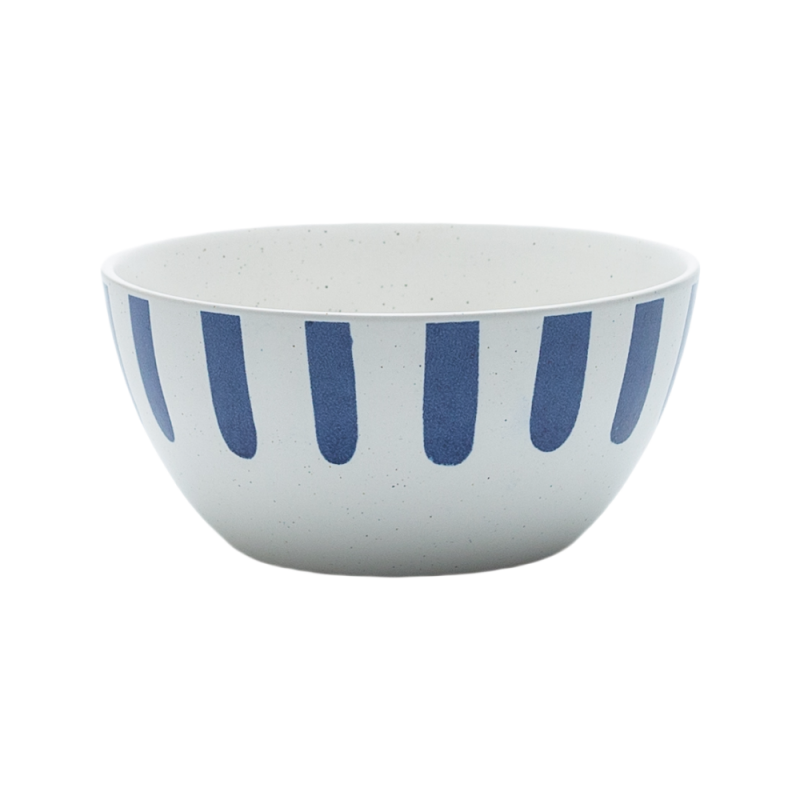
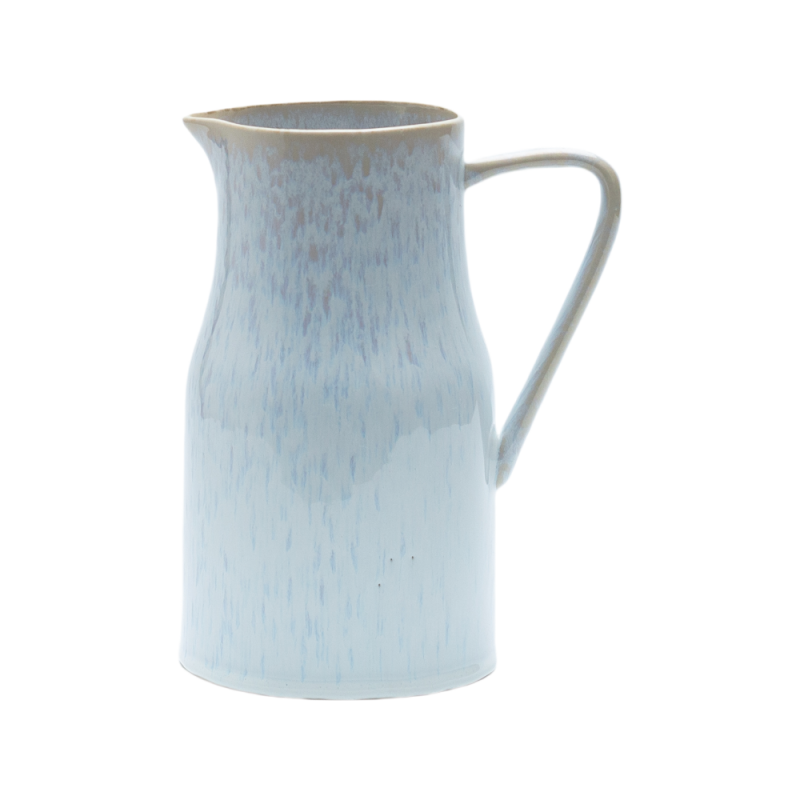
Products in this guide: Nordic Blue Brushstroke Ceramic Bowl · Handcrafted Reactive Glaze Ceramic Pitcher
What Migration Testing Simulates
The test puts the food-contact surface in contact with a simulant — a liquid chosen to stand in for a class of food — for a defined time at a defined temperature, then measures what moved into it.
Four simulant classes cover most cases:
- Acidic — an acetic acid solution, standing in for coffee, tea, fruit juice, tomato and wine.
- Fatty — vegetable oil or a fatty simulant, for cream, soup, oil and dressings.
- Alcoholic — an ethanol solution, for wine, spirits and liqueurs.
- Aqueous — water, for water and soft drinks.
For a mug the acidic case is usually the decisive one — coffee and tea are both acidic — and the fatty case matters for wide-mouth bowls, dishes and anything used with oil.
Conditions Matter as Much as the Result
A migration result is only meaningful with its conditions stated. Two parameters carry most of the weight:
- Contact time and temperature — a mug holding a hot drink for an hour is not the same test as a plate at room temperature. For ceramics in hot service, the relevant conditions are the repeated, hot, short-duration ones.
- Number of exposures — some regimes require the test to be run across successive exposures, because the third contact can behave differently from the first.
A report that does not state time, temperature and simulant is not usable for a compliance file, however good the number looks.
What the Limits Look Like
Limits are set per market and per element or compound:
- European Union — metals such as lead and cadmium have specific migration limits for ceramic food-contact items, with the test run against the applicable simulant and conditions.
- United States — the relevant framework is based on extraction testing, with limits that differ from the EU's.
- Additional national or retail requirements — some markets and some retailers add their own limits, and a few ask for migration data on decoration as well as glaze.
The practical point: the pass/fail depends on which limit is being applied, so the first question for any report is which market it was written for.
Reading the Report: Five Checks
- The item is named — the specific article and its decoration, not a family description.
- The simulant and conditions are stated — acid, fat or alcohol, time, temperature.
- The result is expressed against a limit — a number plus the standard it is compared to.
- The food-contact area is defined — inside only, or a rim that touches the lip.
- The date and the laboratory are identified, so it can be renewed rather than rediscovered.
How It Fits the Order Sequence
Migration testing should run on the approved sample with the actual decoration — testing an unapproved artwork produces a report that cannot be used, and testing before the decoration is fixed is the most common way to pay twice. Where a programme has several colours or several interior glazes, ask which items can share a report and which need their own.
For the surrounding compliance picture — food-contact declarations, declarations of conformity and the document pack per market — see <a href="https://www.storiwareceramicmugs.com/oid1757203/The-Custom-Mug-Programme-Buyer-Guides-by-Decision.htm">the custom mug programme guides</a>. Our <a href="https://www.storiwareceramicmugs.com/products2147420/Custom-Ceramic-Mugs-Cups.htm">ceramic mugs and cups</a> range is quoted with the compliance documents for the destination market, and the <a href="https://www.storiwareceramicmugs.com/oid1756307/Custom-Ceramic-Mugs-Bulk-Order-Factory-Direct-from-China.htm">bulk order programme</a> explains how testing, sampling and production fit together. To plan testing for a specific market, <a href="/contact-us.htm">send the destination and the item list</a>.
The spec freeze guide explains how artwork and packing files are locked between orders.
What to Put in the Order
- The simulants required for the intended use — acid first for mugs.
- Time, temperature and number of exposures stated on the report.
- The limit applied, and for which market.
- The item and decoration named in the report, not a family.
- The food-contact area defined, including rim contact.
- The laboratory and date, so reports can be renewed on schedule.
The packaging guide explains how retail-ready and protective layers are specified together.
The Habit That Ties It Together
The habit is to ask what was tested, against which limit, on which item — and to refuse a report that cannot answer all three.
Related Products
Explore products featured in this guide:
Have questions? See our Sizes & Finishes FAQ and Ordering & Certifications FAQ.
Need a custom quote? Send an inquiry or browse our full product catalog.

