Accessible Mug Design for Care Settings: Grip, Weight and Stability
The Problem: A Standard Mug Assumes a Standard Hand
Care homes, hospitals, day services and supported-living settings serve people whose grip, strength and coordination vary. A mug designed for a café assumes a firm grip, a steady wrist and a table at a comfortable height. In a care setting that assumption produces spills, scalds, and staff time spent assisting — which is why accessible mug design is a procurement category rather than a courtesy.
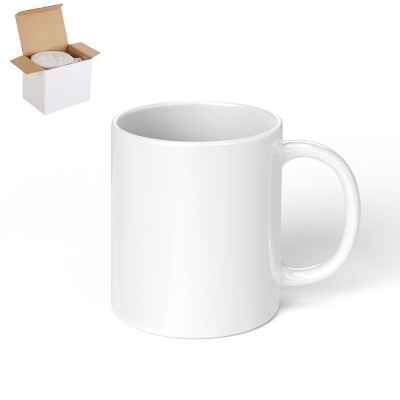
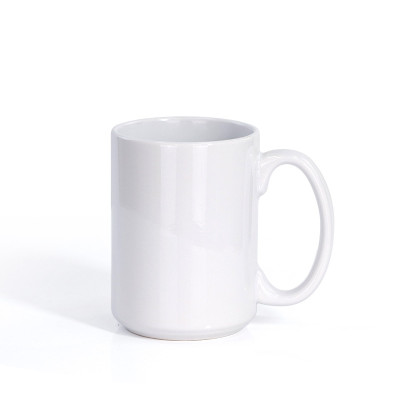
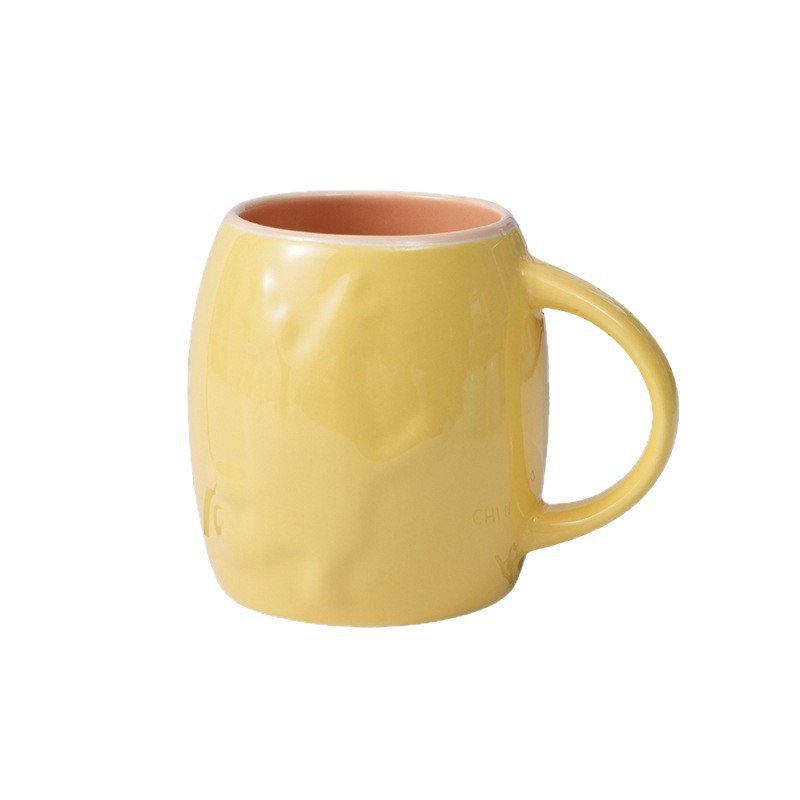
Products in this guide: 3D Embossed Barrel Ceramic Mug 400ml · 500ml Stoneware Ceramic Mug
The design levers are specific, and most of them cost nothing extra to specify.
Four Design Levers
Handle geometry: clearance before style. The decisive measurement is not the handle's look but how much room there is between the handle and the body — enough for four fingers with a cloth, and enough for a hand with reduced flexibility. A thicker handle section is easier to grip than a thin one, and a handle that runs from rim to base allows a grip at different heights, which matters when the wrist cannot rotate fully.
Two ears rather than one. A second handle lets the mug be lifted with both hands, and it also allows the mug to be held steady while a carer assists. This is the single change that most improves usability in a care setting.
Weight and base stability. A heavier base lowers the centre of gravity and makes tipping less likely; a wide, slightly recessed base is more stable on a tray, on a bed table and on a lap. Where weight is a concern for lifting, the trade-off is resolved by keeping the body light and the base dense rather than making the whole piece heavy.
Rim and capacity. A thicker, slightly rounded rim is more forgiving than a thin one — less likely to chip, and easier to drink from when lip control is reduced. Capacity should be decided against the serving routine: a smaller mug that is refilled is often safer than a large one that is carried.
The Visual and Practical Details
Contrast, not decoration for its own sake. A mug that reads clearly against a table surface helps anyone with reduced vision identify it and set it down accurately. A light body with a defined darker band, or a coloured body, does this without extra cost — and it also enables colour coding by floor or by diet, which care staff use constantly.
Dishwasher performance above all. In care settings every item goes through a commercial wash after every use. The specification should carry a tested cycle count and a chip-resistant rim, because a mug that chips in month two is a hygiene question, not just an aesthetic one.
Replacement economics. Breakage in a care setting is not occasional. A programme needs a single-piece replacement price, a stock float, and ideally an open-stock structure so individual pieces can be topped up rather than sets replaced.
What Care Buyers Should Ask
- What is the handle clearance in millimetres, and is a two-handle version available on the same body?
- What is the base diameter and weight distribution, and does the mug resist tipping when pushed across a tray?
- What dishwasher cycle count has the body been tested to, and what is the rim's chip resistance?
- Can the range be supplied in colour-coded bodies for floor or diet use?
- What is the single-piece replacement price, and what stock float is recommended?
- Which of these items are stock items available at short notice, and which need a minimum order?
Where It Connects to the Rest of the Programme
Care settings are a channel decision inside a wider tableware programme: the same body can serve a care home's dining room and a hospital's patient tray, provided the handle and base decisions are made deliberately. It also pairs naturally with the operational content behind institutional catering, where tray geometry and shelf height decide how many covers fit a trolley.
Our <a href="https://www.storiwareceramicmugs.com/products2147420/Custom-Ceramic-Mugs-Cups.htm">ceramic mugs and cups</a> range can be specified with alternative handle geometries, and <a href="https://www.storiwareceramicmugs.com/oid1757203/The-Custom-Mug-Programme-Buyer-Guides-by-Decision.htm">the custom mug programme guides</a> collect the related decisions. To work through a care-setting specification, <a href="/contact-us.htm">send the setting, the user profile and the wash regime</a>, and see the <a href="https://www.storiwareceramicmugs.com/oid1756307/Custom-Ceramic-Mugs-Bulk-Order-Factory-Direct-from-China.htm">bulk order programme</a> for the commercial structure.
The spec freeze guide explains how artwork and packing files are locked between orders.
What to Put in the Order
- Handle clearance in millimetres, and a two-handle option on the same body.
- Thicker handle section and rim-to-base handle run.
- Base diameter and weight distribution, tested for tipping.
- Rim profile and a tested dishwasher cycle count.
- Colour-coded bodies for floor or diet identification.
- Single-piece replacement price and a recommended stock float.
The packaging guide explains how retail-ready and protective layers are specified together.
The Habit That Ties It Together
The habit is to specify for the hand that will hold it — clearance, base and rim first, decoration second. Care settings that do this buy fewer replacements and spend less staff time on spills.
Related Products
Explore products featured in this guide:

Have questions? See our Sizes & Finishes FAQ and Ordering & Certifications FAQ.
Need a custom quote? Send an inquiry or browse our full product catalog.