2027 Ceramic Manufacturing Trends: What Automation and Sustainable Firing Mean for Buyers
The Factory Floor Is Being Rebuilt
The ceramic factory of 2027 is not the factory of 2017. The forming lines are automated, the kilns are digital, and the fuel bills are being cut with the same discipline as the glaze formulas - and every one of these changes shows up in the buyer's quotation, consistency and compliance. The trend story is not abstract: it decides whether your reorder matches the first batch, whether the factory can hold your volume window, and whether the production line can document the practices your market demands (see our factory-audit guide for the tour questions, and our factory-capability guide for the qualification side). This guide reads the three big shifts - automation, digital kilns and sustainable firing - through the buyer's eyes.
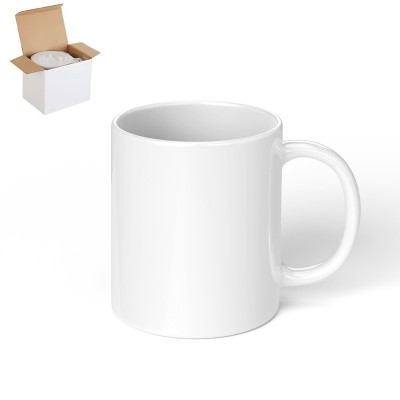
Products in this guide: 12oz Blank Sublimation Latte Mug · New Bone China Ceramic Mug
Automation: The Consistent Repeat
The first shift is automation in forming, glazing and packing. The automated lines - the roller-forming heads that replace the hand-thrown step, the robotic glaze dip that replaces the hand-dip, the packing stations that weigh and sort by machine - exist for one reason: the machine repeats the same action ten thousand times, and the human does not. For the buyer, automation is the consistency story: the automated line produces the same wall thickness, the same glaze coverage and the same piece weight batch after batch (see our forming guide for the methods and our factory-QC guide for how the gates catch the rest). The cost side is slower to appear: the automated line costs more to build, so it is the volume lines that carry it - which is why the price per piece falls as the order size rises (see our cost-modeling guide for the volume math). The buyer question on automation: which parts of your line are automated, and what does the automated line do to the consistency of my reorder?
Digital Kilns: The Data Behind the Heat
The second shift is the digital kiln. The modern kiln control records the temperature profile of every firing - the ramp, the soak, the cooling curve - and stores it as data that can be recalled for any batch (see our kiln guide for the firing variables and our glaze-science guide for what the curve controls). For the buyer, the digital kiln is an answer to the oldest ceramic question: why does this batch match and that one does not? The factory that logs its firing data can show you the temperature curve of your own batch, compare it to the approved lab dip, and prove that the reorder ran inside the same window (see our color-control guide for the acceptance discipline). The digital kiln also shortens the development cycle: the glaze trials are logged, the adjustments are data-driven instead of memory-driven, and the new glaze or the new colorway reaches the sample stage faster (see our trend guide for the 2027 color direction). The buyer question on digital kilns: can you show me the firing record of my last batch - and what does the record show?
Sustainable Firing: The Cost and Compliance Story
The third shift is energy. The kiln is the largest energy consumer in the factory, and the 2027 pressure on fuel prices, carbon reporting and buyer-side ESG questionnaires has pushed the factories toward the efficient burn: the better-insulated kilns, the waste-heat recovery that pre-heats the air, the kiln-furniture loads that pack more pieces per burn, and the switch to the cleaner fuels where the market demands it. For the buyer, sustainability is two stories at once. The cost story: the efficient kiln lowers the fuel cost per piece, and the well-run factory passes the saving into the quotation or holds the price against the rising fuel market (see our quote-reading guide for the fuel line). The compliance story: the export markets - especially the EU and the US programs - ask for the environmental documentation, and the factory that can document its energy practice answers the questionnaire without the scramble (see our certification guide for the documents your market needs). The buyer question on sustainability: what is your energy practice, and what documentation can you provide?
What the Trends Mean for Your Program
The three shifts converge on one message: the modern factory is the factory that can repeat, document and defend. Automation repeats the piece, the digital kiln documents the firing, and the sustainable burn defends the cost and the compliance - and the buyer's reorders, audits and ESG questionnaires are all easier with a partner who has invested in all three (see our supplier-evaluation guide for the scoring framework and our first-order guide for the trial logic). The 2027 factory may look different on the tour - the robots, the screens, the insulated kilns - but the buyer's job is the same: ask which investments change the batch, and verify that they do (see our factory-audit guide for the walkthrough checklist). The buyers who follow the manufacturing trends are the buyers who know why their reorders match - and who choose the factories that built the floor for 2027.
"Factory-Grade Ceramic Products"
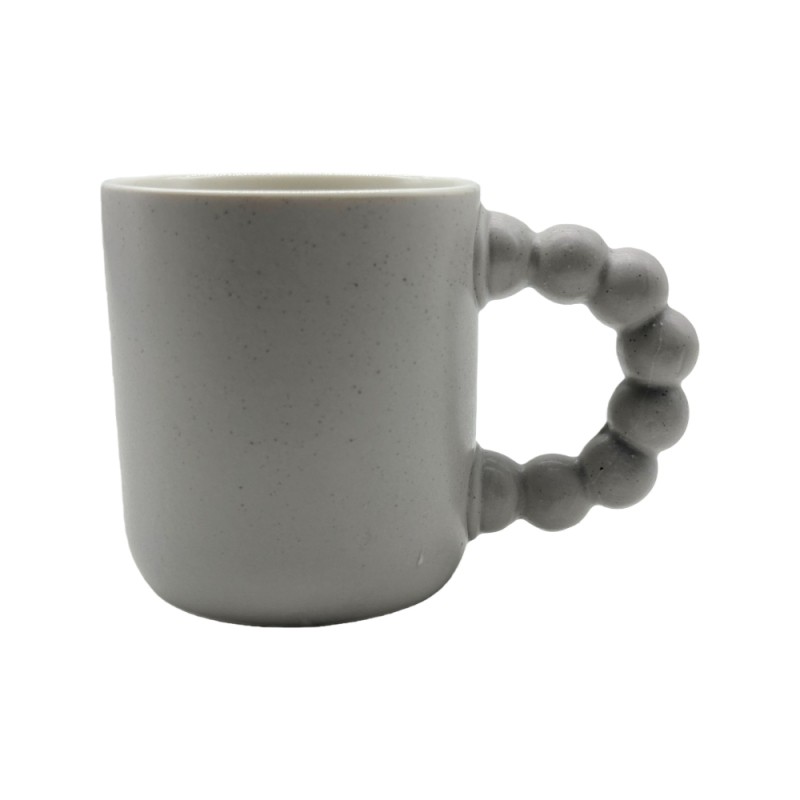
Explore products featured in this guide:

Have questions? See our Sizes & Finishes FAQ and Ordering & Certifications FAQ.
Need a custom quote? Send an inquiry or browse our full product catalog.